wildpixel/iStock via Getty Images
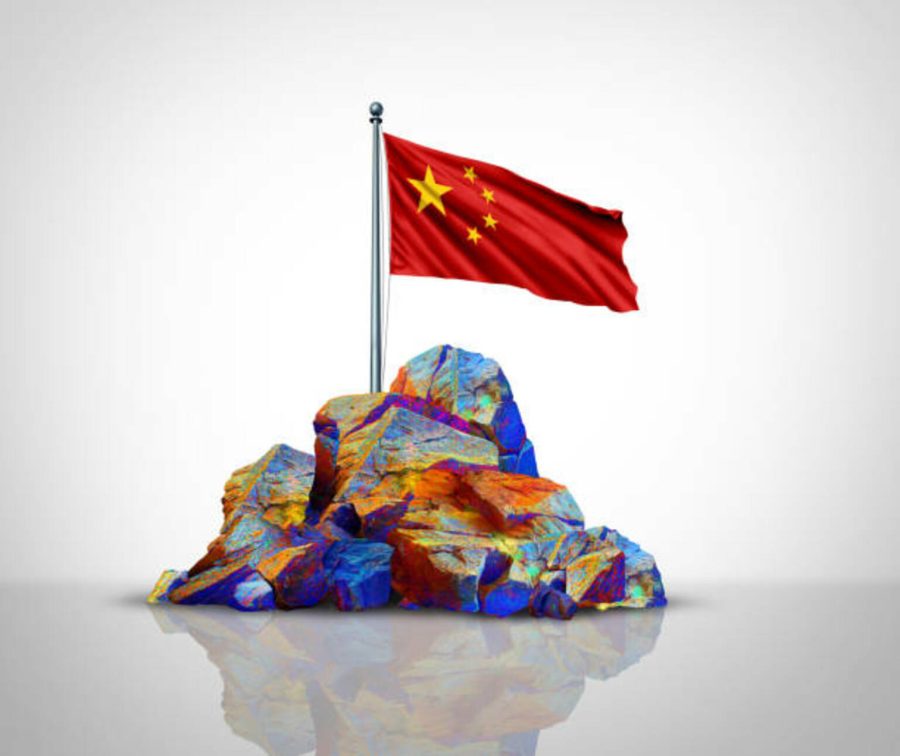
China has reversed its decision to restrict the export of rare earth minerals, giving Detroit’s Big 3 access to critical minerals used in the manufacture of electric vehicles and catalytic converters.
The decision to open the transfer of rare-earth minerals to U.S. automakers’ suppliers comes in the wake of a phone call between President Trump and Chinese president Xi Jinping on Thursday to de-escalate the simmering trade tensions between the two countries.
“There should no longer be any questions respecting the complexity of rare earth products,” Trump posted on social media.
China currently controls ~60% of the production of the rare earth supply and ~85% of the refined supply, giving the country enormous leverage over production of everything from smart phones, to electric vehicles.
And the country’s control over the supply of these minerals has less to do with geographical abundance than China’s willingness to bear the high environmental cost in mining and refining of rare-earth minerals.
Without any alternative sources, manufacturers were exploring options like recovering existing stockpiles, and extracting oxides from recycled products like fluorescent lightbulbs.
After being cut-off since April China has issued a license to suppliers of General Motors (NYSE:GM), Ford (NYSE:F) and Stellantis (NYSE:STLA) to export refined minerals, enabling production to resume on vehicles like Ford’s (NYSE:F) Explorer SUV.
More on General Motors
- China And Tariff Headwinds Could Cause General Motors To Break Down
- General Motors: A Technical Buy But A Fundamental Sell
- General Motors: Navigating The Trade War Storm, Reducing My Price Target
- U.S. automakers struggle under new steel tariff
- General Motors to park $888 million for New York engine facility