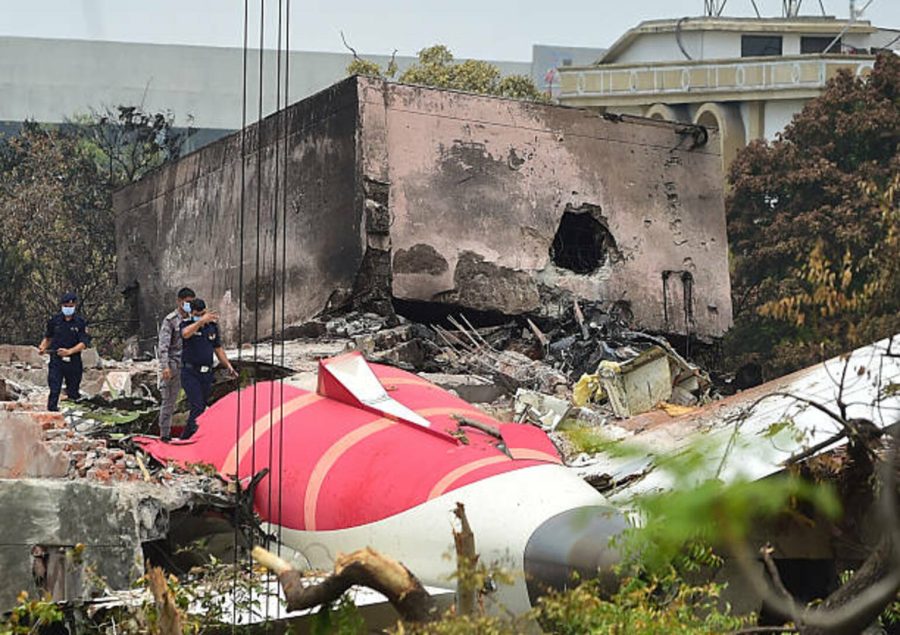
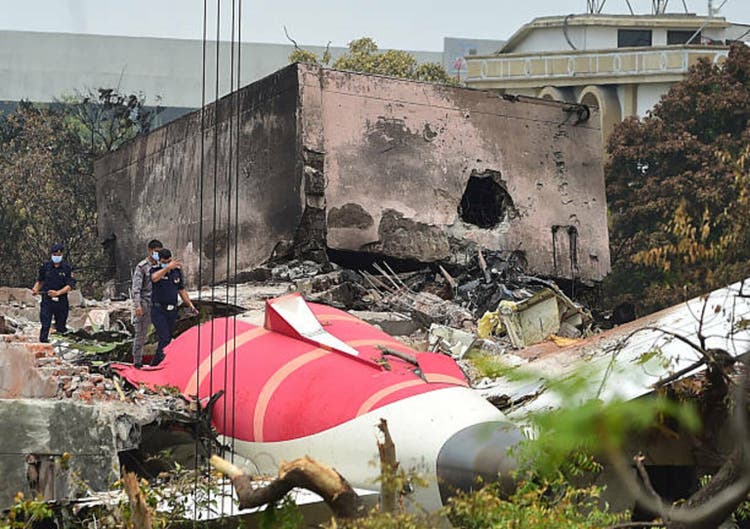
Ritesh Shukla/Getty Images News
The U.S. Federal Aviation Administration and Boeing (NYSE:BA) have privately issued communications stating that the fuel control switch locks found on various Boeing aircraft, including the 787, don’t pose a safety risk, Reuters reported Sunday, citing document reviews and sources familiar with the matter.
The FAA’s internal notice, known as a Continued Airworthiness Notification, was sent to global aviation regulators on July 11, just days after a preliminary report into last month’s deadly crash of a Boeing (NYSE:BA) 787-8 in India raised concerns about the aircraft’s fuel cutoff switches. The crash claimed 260 lives and has intensified scrutiny on the safety features of Boeing (BA) aircraft.
The FAA message emphasized that while the locking mechanism design is consistent across several Boeing (BA) models, it “does not consider this issue to be an unsafe condition that would warrant an Airworthiness Directive.”
Boeing (BA) echoed the FAA’s message in a communication sent to airline operators, known as a Multi-Operator Message, Reuters reported, citing two people briefed on the matter. The company didn’t recommend any further action.
India’s Aircraft Accident Investigation Bureau (AAIB) released its preliminary findings on Friday, referencing a 2018 FAA advisory that encouraged operators to inspect the locking mechanisms on fuel switches. That advisory, however, was not mandatory. Air India, the airline involved in the crash, told investigators it had not performed the recommended checks since they weren’t required by regulation.
According to the AAIB report, all relevant airworthiness directives had been followed for the aircraft and its engines. However, the document noted that both fuel switches moved from the “run” to “cutoff” position almost simultaneously shortly after takeoff, an unexplained occurrence. The cockpit voice recorder captured one pilot questioning the other about the fuel cutoff, with the response being, “I did not do so.”
The possibility of a mechanical malfunction has prompted pushback from the pilot community. ALPA India, which represents Indian pilots through the International Federation of Air Line Pilots’ Associations, disputed early speculation of pilot error and urged authorities to allow pilot observers to participate in the ongoing investigation.
In a letter shared on social media, ALPA India highlighted the 2018 advisory as a potential indicator of equipment vulnerability. U.S. aviation safety experts, including former ALPA representative John Cox, supported ALPA India’s call for greater transparency, but said the preliminary report appeared balanced and didn’t imply pilot fault.
The investigation remains ongoing, with attention now focused on whether a hardware issue may have contributed to the accident, Reuters reported.
More on Boeing
- Boeing: Leadership Changes And A Warning For The Bulls
- Boeing: A Surprise Lead Over Airbus
- Boeing Deserves A Little More Love (Rating Upgrade)
- Weekly top industrial gainers and losers: Delta Air Lines leads gains as airline stocks take off
- Air India crash report points to apparent pilot confusion; no immediate action for Boeing or GE