Ritesh Shukla/Getty Images News
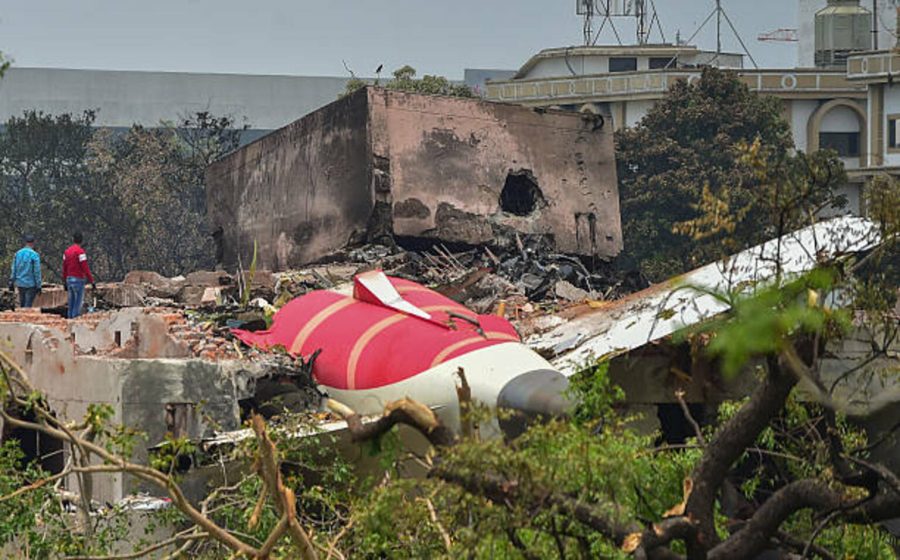
Air India Chief Executive Campbell Wilson has urged employees not to jump to conclusions about the cause of last month’s fatal crash involving one of the airline’s Boeing (NYSE:BA) 787 Dreamliners, emphasizing that the investigation remains ongoing and far from complete, The Wall Street Journal reported Monday.
In an internal memo viewed by the newspaper, Wilson referenced early findings from India’s Aircraft Accident Investigation Bureau, which ruled out mechanical failure, fuel issues or missed maintenance as contributing factors. The crash, which occurred shortly after takeoff from Ahmedabad en route to London, claimed the lives of 241 passengers and crew members, as well as 19 people on the ground. Only one person on board survived.
Wilson acknowledged the intense speculation surrounding the tragedy and criticized the “cycle of theories, allegations, rumors and sensational headlines” that have surfaced in the past month. He said the AAIB report clarified certain aspects of the event but also introduced new lines of inquiry.
One of the more concerning details from the report, omitted from Wilson’s memo, was that both of the aircraft’s fuel-control switches were shut off just seconds after takeoff. Though they were reactivated about 10 seconds later, the engines were unable to regain thrust in time to prevent the crash.
The AAIB has yet to determine whether the switches were disengaged deliberately or accidentally. Investigators noted confusion between the pilots in the cockpit, with one reportedly asking the other why the switches were cut off, to which the other responded that he hadn’t done it.
Though the fuel switches are designed to be difficult to move unintentionally, questions have arisen about a potential vulnerability in the mechanism. A 2018 bulletin from the U.S. Federal Aviation Administration (FAA) warned that some Boeing (NYSE:BA) aircraft, including certain 787s, may have been delivered with the locking mechanism on the fuel switches disabled. While the FAA didn’t consider the issue to present an “unsafe condition,” India’s aviation regulator recently mandated inspections across affected fleets.
Air India has already completed checks on about half of its 787 aircraft and expects to finish examining the rest in the coming days. A person familiar with the process said that no faults have been discovered so far. The airline is also conducting similar reviews of its 737 fleet, the Journal reported.
Other global carriers are taking similar steps. Etihad Airways confirmed it has instructed maintenance crews to verify the proper functioning of the switches, while Lufthansa said it had completed its inspections and found no issues.
Wilson reiterated in his memo that the pilots involved had passed all mandatory preflight health and alcohol checks, and there were no irregularities in the aircraft’s takeoff roll or fuel quality.
The AAIB hasn’t yet issued a final determination regarding the cause of the crash, and Wilson said speculation should not outpace evidence.