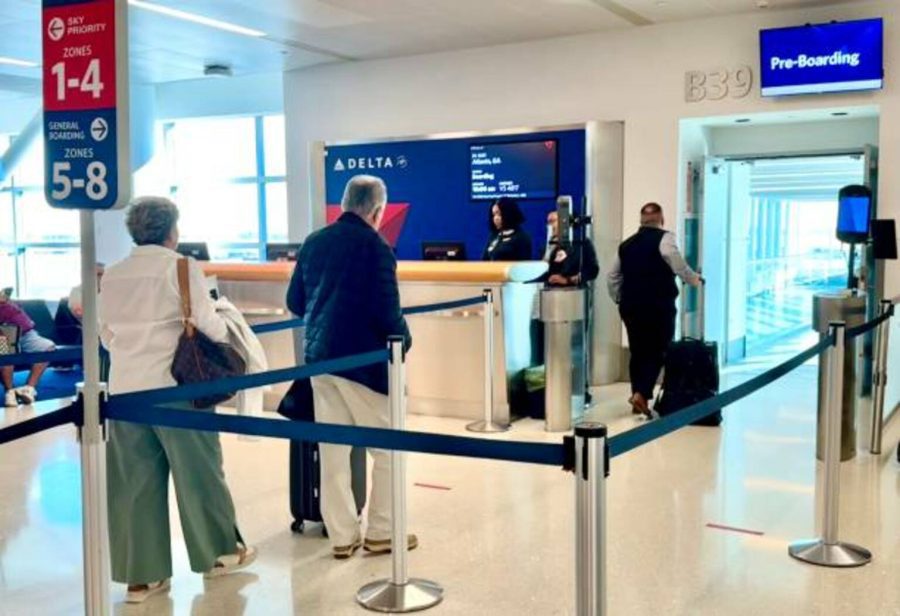
Rob Whitcomb/iStock Editorial via Getty Images
Delta Air Lines (NYSE:DAL) is testing a new artificial intelligence system designed to optimize ticket prices, but the technology is sparking concerns from lawmakers and consumer advocates over potential misuse, The Wall Street Journal reported Sunday.
The airline has been working with startup Fetcherr to develop what executives have called a “super analyst,” capable of analyzing large volumes of data and setting fares more efficiently. Currently, AI influences about 3% of Delta’s (NYSE:DAL) domestic ticket prices, but the company expects that figure could rise to 20% by year-end.
While Delta (DAL) says the tool relies on aggregated market data, not personal information, critics fear AI could eventually allow airlines to exploit sensitive details, such as whether someone is flying home for a funeral, to raise prices. In July, several U.S. senators warned that AI could lead to prices dictated “by individual need” rather than supply and demand. A separate bill has been introduced to ban companies from using personal data in AI-driven pricing models.
American Airlines’ (NASDAQ:AAL) CEO even likened such tactics to a “bait and switch,” though Delta (DAL)maintains its approach doesn’t target individual customers. In a letter to lawmakers, the airline said no current or planned pricing models use personal data and that customer information isn’t shared with Fetcherr.
Fetcherr, which has raised $115 million since its founding in 2019, says its technology analyzes market signals and anonymized airline data to predict demand. Delta (DAL) notes that humans still review AI recommendations before final pricing decisions are made.
Industry experts say AI could help airlines avoid pricing errors, such as unsold seats due to high fares, but it could just as easily identify opportunities to charge more where passengers are willing to pay higher prices. As one aviation consultant put it, pricing thousands of routes manually is “too much for humans to manage,” making AI an increasingly attractive tool despite the controversy, the Journal reported.
More on Delta Air Lines, American Airlines
- American Airlines: Multiple Challenges And A Higher Valuation
- American Airlines: Consumer Bifurcation Weakens Economy Class Travel In Q2
- Wall Street Lunch: Job Market Refuses To Die
- Citi launches high-end credit card to challenge Amex, JPMorgan
- Insider trades: Delta Air Lines, United Airlines among notable names this week