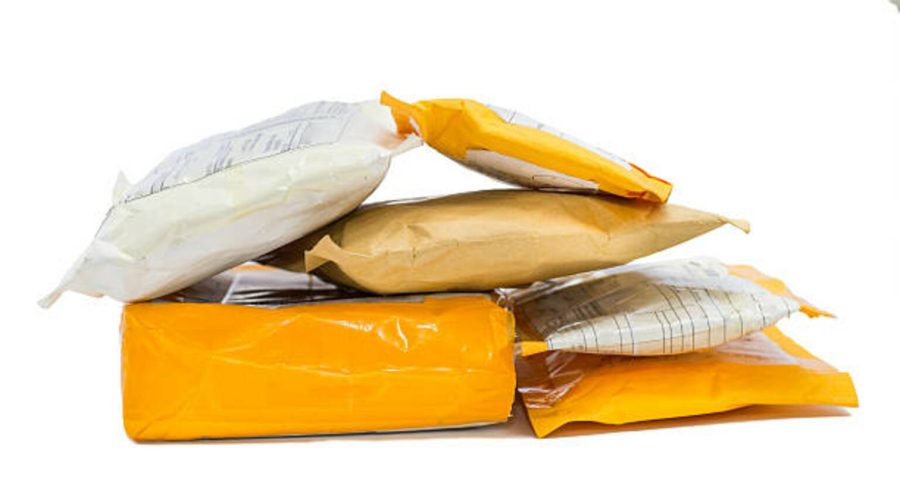
U.S. imports of packages worth less than $800 will no longer be duty-free from Friday as the Trump administration formally ends the so-called “de minimis” exemption. Parcels will also face tighter customs checks, impacting the 4M shipments that make their way into the country each day. The U.S. has tasked transportation carriers to collect and remit duties based on the tariff rate of their country of origin, or they can temporarily pay a fixed amount per item that ranges from $80 to $200.
Some history: The “de minimis” exemption first surfaced in the Tariff Act of 1930 to “avoid the expense and inconvenience” of collecting small amounts of U.S. import duties. At the time, it only applied to packages worth under $1 (or the equivalent of $20 in today’s currency). Decades later, the threshold was raised, including to $5 in 1978, and then to $200 in 1993, but the biggest change came in 2015, when the amount was raised to $800 to expand the growth of small business and e-commerce marketplaces. That led to the rise of direct-to-consumer business models like Shein and Temu (NASDAQ:PDD), which were later bolstered by Trump’s tariffs on Chinese goods implemented during his first term.
Now coming to an end… It all means that Americans will be more careful about where they order from or will need to double-check final prices when purchasing goods online. Currently, “de minimis” shipments account for 92% of all cargo entering the U.S. and that figure had been “growing in epic proportions.” With its new executive order, the Trump administration aims to crack down on dangerous narcotics, traffic counterfeits, and other illicit goods, while raising needed revenue for the federal government in the process.
Stocks to watch: “Logistics giants UPS (NYSE:UPS), FedEx (NYSE:FDX) and DHL (OTCPK:DHLGY) face headwinds from reduced package volumes, putting their dividends at risk and warranting caution from income-focused investors,” according to SA analyst APAC Investment News. “Etsy (NASDAQ:ETSY) and ThredUp (NASDAQ:TDUP) could benefit as higher import costs make secondhand and domestic goods more attractive, though profitability remains a concern for ThredUp. Amazon (NASDAQ:AMZN) stands to gain competitive ground as rivals like Temu and Shein lose their price advantage, potentially strengthening Amazon’s U.S. e-commerce dominance.” See the full article here