A massive spending boom on artificial intelligence infrastructure is saving the U.S. economy from a recession, according to George Saravelos, Global Head of FX Research at Deutsche Bank.
In a recent note, Saravelos describes the AI investment cycle as a “Deus ex Machina,” a timely intervention that is masking broader economic weakness.
The research suggests that without this concentrated, tech-related spending, the U.S. “would be close to, or in, recession this year.” This massive capital expenditure to build up AI capabilities is the “missing ingredient” that explains several macroeconomic puzzles. It accounts for a significant slowdown in employment growth that hasn’t tipped into a recession, as the AI-driven capital investment doesn’t require many workers.
This tech spending also explains the outperformance of tech earnings within the S&P 500 (SP500) (SPY) (IVV) (VOO), the concentration of outperformance in the Mag 7 (AAPL) (AMZN) (GOOG) (GOOGL) (META) (MSFT) (NASDAQ:NVDA) (TSLA), the resilience of global trade in tech-heavy North Asia, and the continued softness of inflation, as demand outside of this sector remains weak.
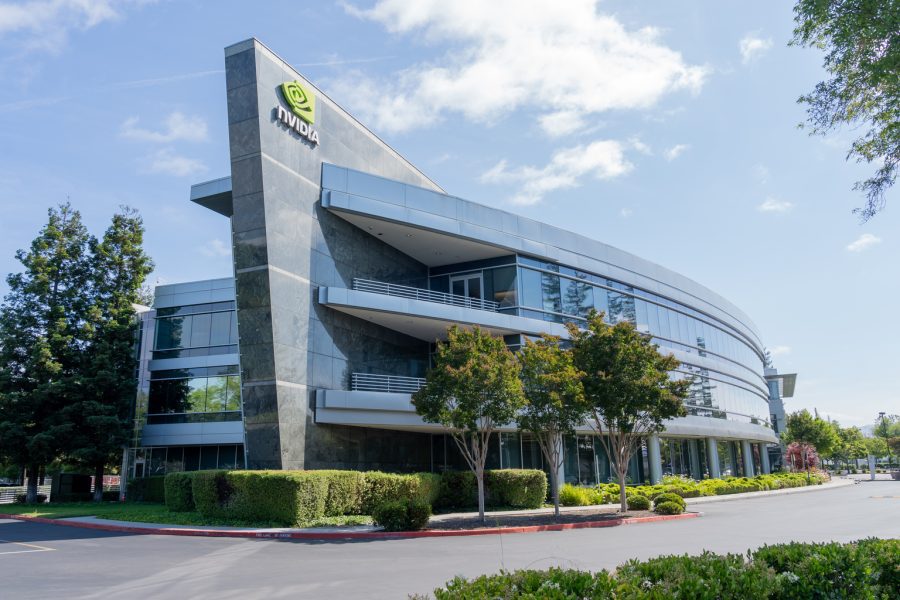
Saravelos says that it may not be an exaggeration to say that Nvidia (NASDAQ:NVDA), as a key supplier for the AI investment cycle, “is currently carrying the weight of US economic growth.”
But he also warns that this support may be temporary. For the tech cycle to continue boosting GDP, capital investment must “remain parabolic,” which looks “highly unlikely.” The research points to expectations that capital expenditure growth among hyperscalers is peaking this year, meaning other sources of growth will need to emerge.
This raises questions for the medium-term economic outlook. The current growth stems from building the infrastructure for AI, not from AI’s productive output itself.