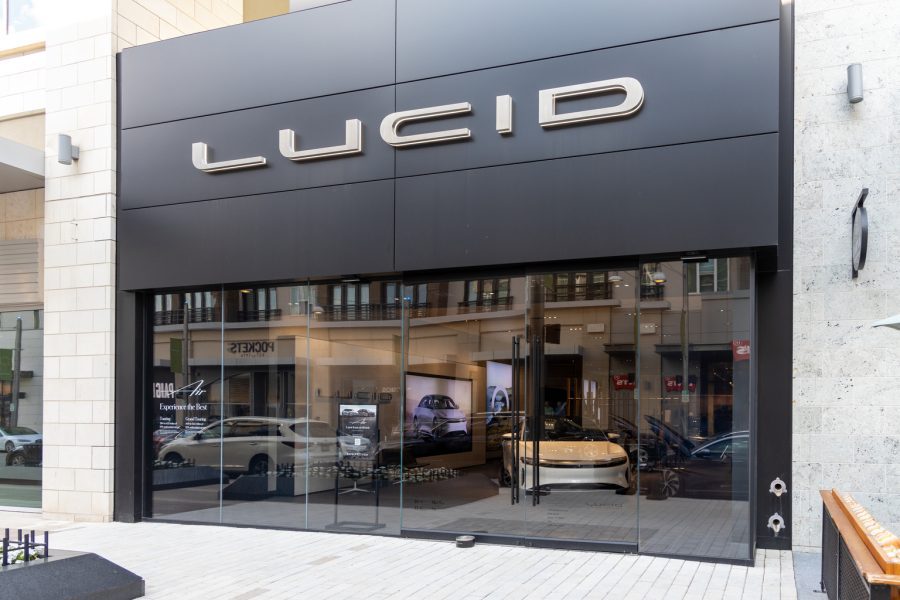
Lucid Group (LCID) extended losses for the seventh consecutive trading session, closing Monday, November 17, 9.08% lower at $12.91.
The Newark, CA-based automobile manufacturer has been on a losing streak on the back of a combination of disappointing Q3 results, management changes, senior note offering, and investment bank Stifel’s cautious note.
Impacted by tariffs and higher input costs, Lucid (LCID) fell further into the red in the third quarter and trimmed its 2025 production guidance to 18,000 vehicles from a prior range of 18,000 to 20,000.
Stifel held onto its Hold rating amid expectations for additional capital to be required over the next few years, and lack of current visibility on its Gravity sales and midsize rollout.
Shares have pulled back by 22.78% over the course of the last six trading days.
A significant fall was logged on Thursday, November 13. LCID retreated 8.56% to close the day at 15.17. A day before, Lucid had announced the pricing of a $875M offering of 7.00% convertible senior notes due 2031 in a private sale to institutional investors.
The downward movement continued with the stock closing Friday, November 14, 6.39% lower at $14.20.
The stock is down ~58% year-to-date, and is trading ~27% below its 20-day simple moving average. Short interest as a percentage of float was at a high rate of 30.64% as of October 31.
The Wall Street community sees the stock as a Hold on average. However, Seeking Alpha authors grade the stock as Sell, while the Quant Rating system sees LCID as Strong Sell.
“Lucid shares continue to trade at a premium to most other names in the EV space, despite their dramatic fall in recent years,” noted SA contributor Bill Maurer.
“The outstanding share count has nearly doubled in four years, and the loss of tax credits in the US won’t help the next generation platform when it launches next year. It would not surprise me to see this stock hit a new low moving forward,” said Maurer.
Saudi Arabia’s Public Investment Fund slightly reduced its stake in the electric-vehicle maker during the third quarter, but one of its top U.S. positions remain LCID.
SA contributor Julia Ostian sees the Saudi support as good news, but also highlights cash burn as the biggest risk.
“Even with Saudi support, if Lucid keeps spending like this, there will come a time when the PIF won’t want to keep funding it. No investor, even a sovereign and a very rich one, will continue funding endless losses forever,” said Ostian.