Are health insurance stocks a buy, sell, or hold right now?
Seeking Alpha analysts Stephen Ayers and Edmund Ingham weigh in.
Stephen Ayers: In the current AI capital cycle, I believe that health insurance is an attractive space right now because these are the companies that can leverage the technology without having to “carry its weight” (e.g., capex).
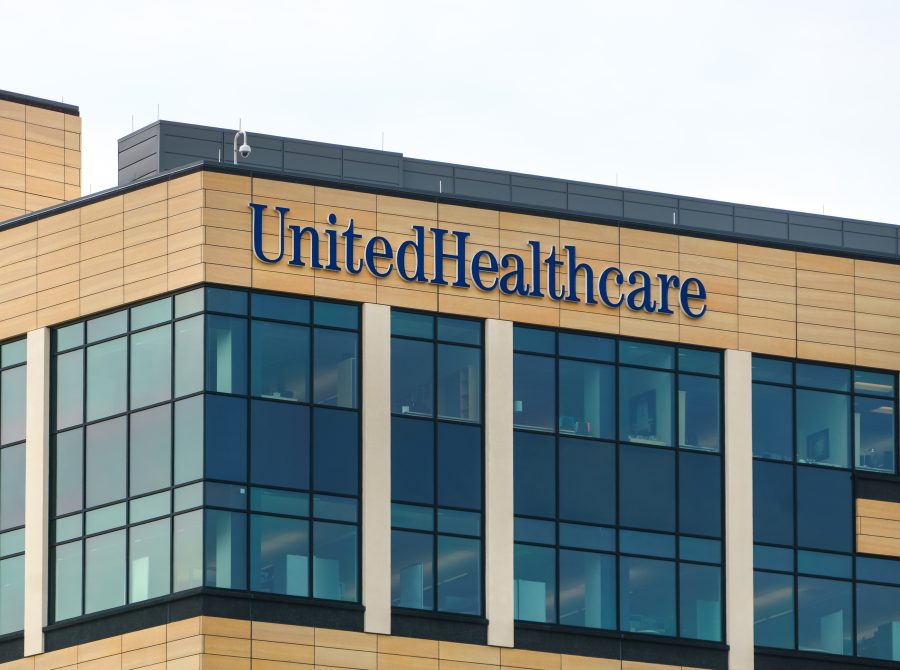
UnitedHealth (UNH), in particular, is America’s largest health insurer and also runs a fast-growing healthcare services arm called Optum. It’s a fundamentally strong company that is using AI behind the scenes to enhance profitability. Rather than pouring billions into speculative AI research with uncertain ROI, UnitedHealth is adopting proven tools to improve operations. For instance, UnitedHealth’s Optum unit employs AI for data analytics, predicting patient needs, and managing care more efficiently.
That said, this strategy is not without risk. AI-driven claim reviews have faced scrutiny, and there are some wrinkles to work out. Of course, its stock, like many others in the defensive sector, has underperformed tech in recent years, but I believe that the company’s pricing power (premiums can be adjusted), inelastic demand, and opportunity for efficiency improvements (driven by the prudent utilization of AI) offer a strong defensive play in a structurally higher-rate world.
Edmund Ingham: 2025 has been a difficult year for the health insurance sector; however, it is possible to paint a positive picture for 2026.
If we look at the stocks of the largest US insurers on a 12-month basis, UnitedHealth Group (UNH) is down ~45%, Cigna Group (CI) is down ~20%, Elevance Health (ELV) is down ~19%, Humana (HUM) is down ~15%, and Molina Healthcare (MOH) is down ~49%. Only CVS Health’s (CVS) stock is up, by 26%, although it remains down >25% on a 3-year basis.
If you asked each of these companies what was weighing down their stock prices, I suspect they would reply the same: rising healthcare utilization. Too many people are using too many products and services (~10k Americans turn 65 each day), far more than each company budgeted for when it came up with its original earnings guidance for 2025, which is why the likes of Centene (CNC) and UnitedHealth (UNH) were forced to withdraw guidance and revise it downward for 2025.
Clearly, this is bad news for shareholders. Health insurers put the blame on the government, which is not providing enough funding, especially within the Medicare Advantage sector, where the government pays the insurer to administer specialized plans to seniors.
Can this change in 2026? In fact, it will, as the US Centers for Medicare & Medicaid Services has opted to hike payment rates by a much larger percentage than it did in 2025 for Medicare Advantage. Plus, insurers are passing some of the additional costs of healthcare onto customers by charging higher premiums, and they continue to pursue the goal of value-based care, where payments are based on healthcare outcomes as opposed to fee-for-service.
Ever the optimist, I believe these factors may revive the fortunes of insurers in 2026, as they will improve their medical benefit ratios (spending on healthcare divided by premiums received), which used to be in the mid-to-high 80s but are now trending in the mid-90s. There is some evidence to suggest this is already happening with CVS (CVS), whose crisis came in 2024 and has since staged a recovery, exiting unprofitable plans and making value-based care work.
So, yes, I think insurers are a “buy” right now. Their stock prices are often volatile, with dramatic sell-offs when the market panics, but recoveries often result in share prices higher than they were before. The blue-chip companies typically pay a modest dividend as well.
A final note, Oscar Health (OSCR) has major exposure to the ACA market, and if the Trump administration opts to maintain insurance premium subsidies for two more years, Oscar’s stock price could soar. If they are discontinued, the stock will suffer, but ever the optimist, I favor a positive outcome for Oscar – a stock worth keeping an eye on, in my view.