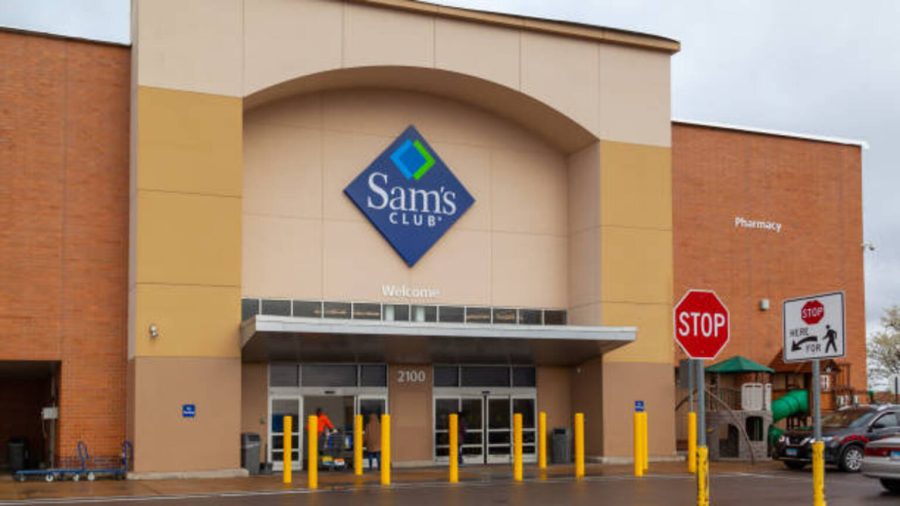
Walmart’s (WMT) Sam’s Club is beating Costco (COST) in the race to grab market share in China in the membership-based warehouse club sector, according to The Wall Street Journal.
Sam’s Club has about 60 stores in China, up sharply from the 39-store base of just three years ago. Notably, Sam’s Club also has a fast-growing e-commerce business. The biggest Sam’s Club stores in China generate more than $500 million in sales annually and are helping to move the meter for the Arkansas-based company. Walmart’s (WMT) total sales in China jumped nearly 22% to $6.1 billion in Q3 to make China Walmart’s (WMT) fastest-growing international market.
Sam’s Club entered China in 1996 with its first club in Shenzhen and spent roughly two decades expanding cautiously, using China as a testbed for a membership-warehouse model aimed at middle- and upper-income urban families. After the mid-2010s, it shifted into rapid expansion, opening dozens of new clubs and building a nationwide footprint that by the mid-2020s numbered in the mid-50s locations and millions of paid members, making it a leading player in China’s membership-store boom. Operated under Walmart China, Sam’s Club aims to differentiate the chain through curated assortments, private-label Member’s Mark products, and an omnichannel model that includes its own app and delivery depots, extending reach beyond cities with physical clubs. In the past, the chain faced some controversy, including backlash over Xinjiang-related product decisions and concerns that a broader, more mass-market assortment dilutes its premium positioning.
While Sam’s Club followed Costco’s model (COST) in China of carving out a niche as a premium chain to find high-quality items, the chain is now much larger and is well-known for unique goods imported from around the world, as well as premium versions of Chinese favorites, such as dates and dried mushrooms, in bulk at competitive prices.