What’s the best safe haven for investors right now?
Seeking Alpha analysts James Foord, Ragmar Rikberg, Anna Sokolidou, and Rick Orford gave us their picks.
James Foord: The way I see it, gold is without a doubt the best long-term safe haven. It’s arguably the purest form of money, and central banks around the world continue to accumulate it. Silver has had a great run, as it has faced shortages due to high demand for it in solar panels, but at today’s price, I’d rather wait for a dip.
On the other hand, Bitcoin (BTC-USD) has been forgotten by the market, but under the surface, the mechanisms are now in place for funds and larger players to really start to accumulate this asset. I think it will perform well over the coming years.
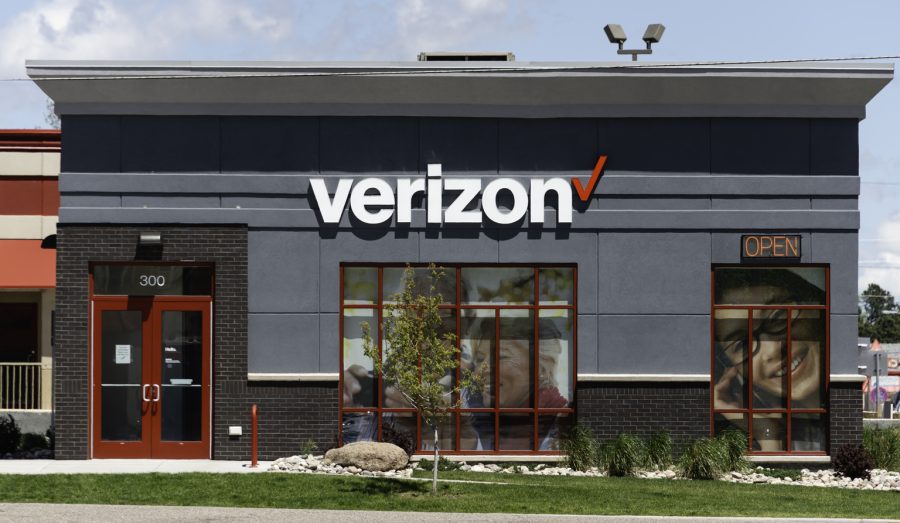
Ragmar Rikberg: If I had to choose from the stocks I cover, the safest candidates in my view would be Verizon (VZ), Conagra Brands (CAG), Tyson Foods (TSN), and Archer-Daniels-Midland (ADM).
Communication remains essential in any environment—people will always use phones and the internet. Food stocks that are attractively valued also make a lot of sense, since people need to eat under all circumstances, and during recessions they tend to cook more at home.
That said, companies with a high exposure to sugar‑rich and ultra‑processed foods are better to avoid, as GLP‑1 drugs continue to reshape consumer eating habits.
Anna Sokolidou: The era of the USD’s dominance as a safe haven investment and as a medium of exchange seems to be over. Major central bankers are actively moving away from fiat currencies and still stockpiling gold despite the yellow metal’s rally. I still prefer gold as the best way to save capital.
Rick Orford: As the world continues to experience a level of uncertainty not seen in years, investors must remember that, over time, the major indices tend to go up. So the best safe haven is time.
Well-diversified portfolios containing quality assets, such as low-cost index ETFs, dividend stocks, treasuries, or even precious metals, are solid additions and have historically performed well. Investors who hold these quality assets long enough won’t mind this uncertainty, especially when it can be used as part of a “buy the dip” strategy.