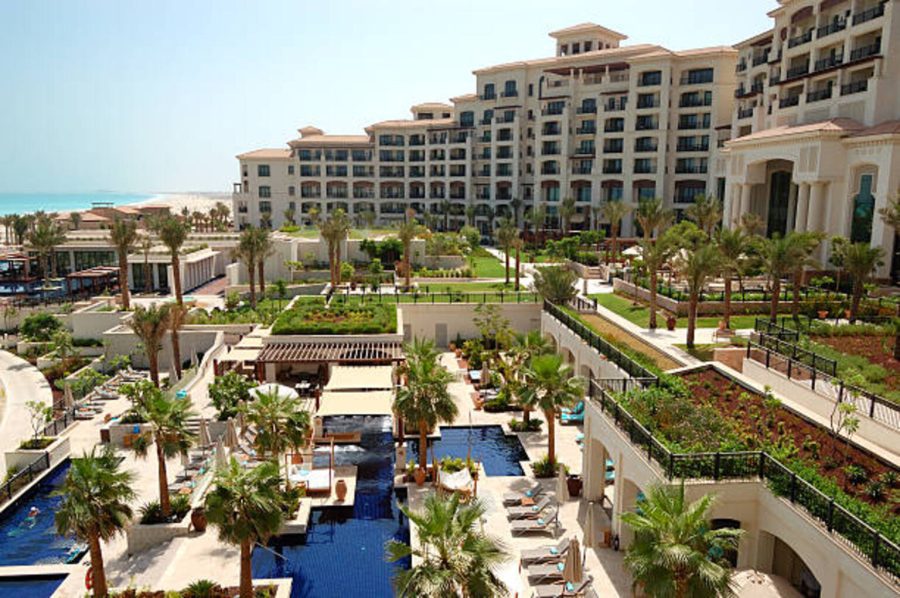
The world’s priciest hotels charged record rates last year, bucking a broader slowdown in luxury spending as affluent travelers continued to pay up for high-end amenities and wellness offerings, the Financial Times reported Sunday.
Revenue per available room at ultra-luxury hotels rose 10.6% in 2025, more than triple the growth rate of the overall hotel industry, according to data from CoStar. Average daily room rates climbed to a record $1,245, while occupancy also increased, suggesting demand held firm despite higher prices.
Hotel operators have increasingly focused on wealthier guests whose fortunes have been boosted by rising asset markets and who are less sensitive to price increases. By contrast, demand for luxury goods such as clothing and jewelry has weakened, with consultancy Bain estimating global sales of personal luxury items fell about 2% last year.
The divide was especially clear in the United States, where hotels at the top end outperformed midscale and budget operators as higher-income consumers continued to travel while others cut back. Some luxury hotels have also raised prices to offset labor shortages and higher operating costs, choosing to sell fewer rooms at higher rates.
Operators are justifying higher prices by expanding wellness-focused amenities, including treatments and technologies aimed at longevity and health. These features, hoteliers say, help sustain pricing power even if many guests never use them.
Industry analysts note that confidence among ultra-luxury hotels has grown, helped by younger high-net-worth travelers, including those enriched by cryptocurrency gains. Still, some warn the strategy carries risks, as higher prices leave little room for service missteps and could eventually test even wealthy customers’ willingness to pay.