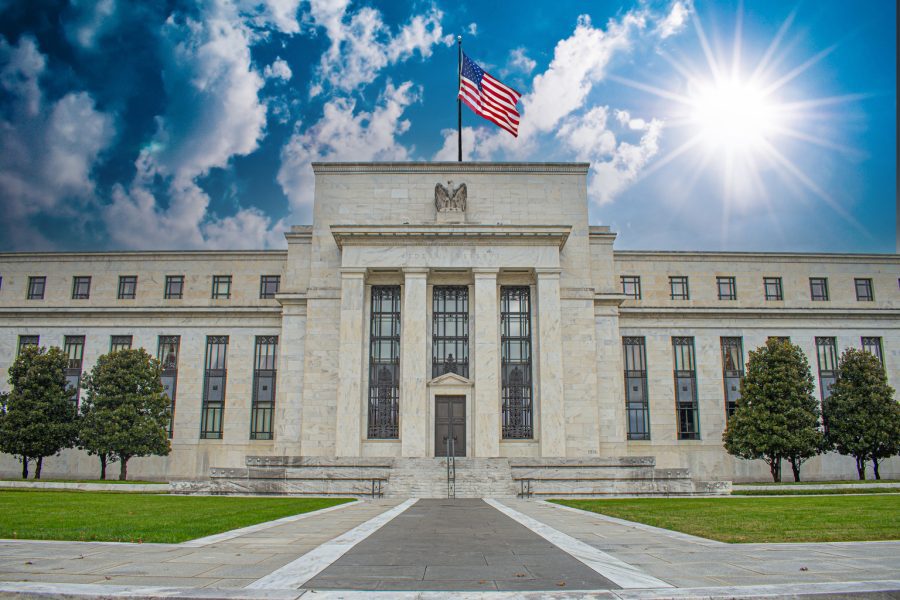
The Federal Reserve introduced a new proposal aimed at refining how regulators evaluate banks’ risk practices after President Donald Trump pushed to curb what he views as unjustified account closures. Building on prior steps to eliminate “reputation risk” from its bank oversight framework, the Federal Reserve Board on Monday sought public comment on a plan to formally codify that change.
The proposal reiterates the board’s policy against penalizing or prohibiting an institution from banking a customer engaged in legal activity, according to a statement dated Feb. 23.
“We have heard troubling cases of debanking—where supervisors use concerns about reputation risk to pressure financial institutions to debank customers because of their political views, religious beliefs, or involvement in disfavored but lawful businesses,” said Vice Chair for Supervision Michelle W. Bowman. “Discrimination by financial institutions on these bases is unlawful and does not have a role in the Federal Reserve’s supervisory framework.”
In June, the board announced thatannounced that reputation risk would no longer be a component of examination programs in its supervision of banks. “This proposal would build on that announcement to help ensure supervisory decisions are based on material financial risks, as well as increase clarity and facilitate greater precision in supervisory decision-making.”
Relevant tickers include JPMorgan Chase (JPM), Bank of America (BAC), Wells Fargo (WFC), Citigroup (C), Morgan Stanley (MS), Goldman Sachs (GS), U.S. Bancorp (USB), PNC Financial Services (PNC), Truist Financial (TFC), and Capital One (COF).
Dear readers: We recognize that politics often intersects with the financial news of the day, so we invite you to click here to join the separate political discussion.