Goldman Sachs downgraded several semiconductor firms for failing to capture momentum during the surge in artificial intelligence spending, including Arm (ARM), Texas Instruments (TXN) and Entegris (ENTG).
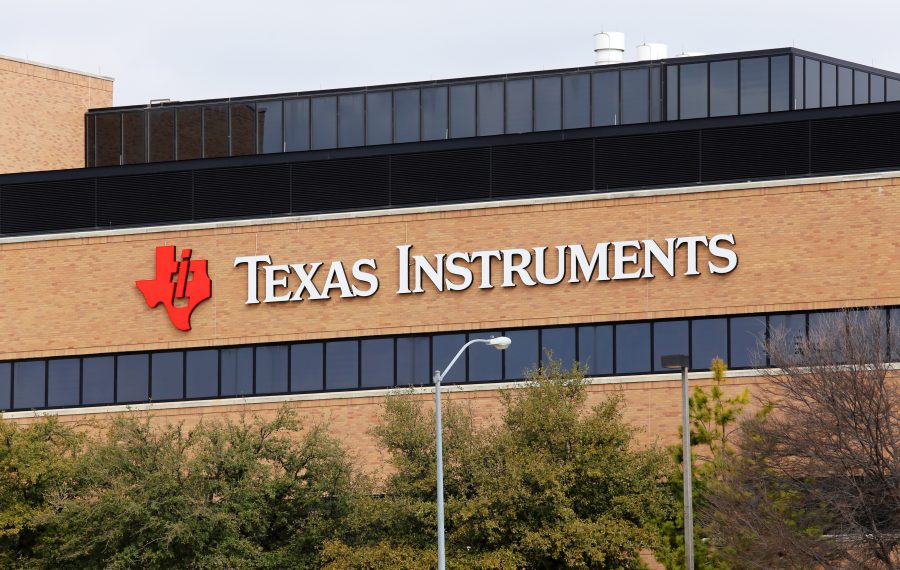
Texas Instruments received a double downgrade, going to Sell from Buy, “given lackluster execution through the cycle, and less leverage than peers in the upcycle we see ahead,” said Goldman Sachs analysts, led by Jim Schneider, in an investor note on the 2026 AI outlook.
Arm Holdings was downgraded to Sell from Neutral due to its “limited ability to leverage the AI cycle, traction across non-traditional markets, and business model transition.”
Finally, Entegris was downgraded to Sell from Neutral “as we believe the company is poorly positioned to capture upside, with limited margin improvement,” Schneider added.
Teradyne (TER), however, was double upgraded to Buy from Sell “as we believe the company will gain greater traction in GPU testing, plus recovery in traditional customers.”
Other semiconductor stocks in prime position to benefit from the AI cycle include Google (GOOG)(GOOGL), Broadcom (AVGO) and Nvidia (NVDA).
“AI infrastructure builds should continue to drive higher CapEx levels and serve as a tailwind for Semiconductors and EDA,” Schneider said. “We believe the balance between leading-edge AI model training and lower-cost inference should drive a ‘barbell’ approach to names with the greatest exposure to the most sustainable spending.”