patty_c/iStock Unreleased via Getty Images
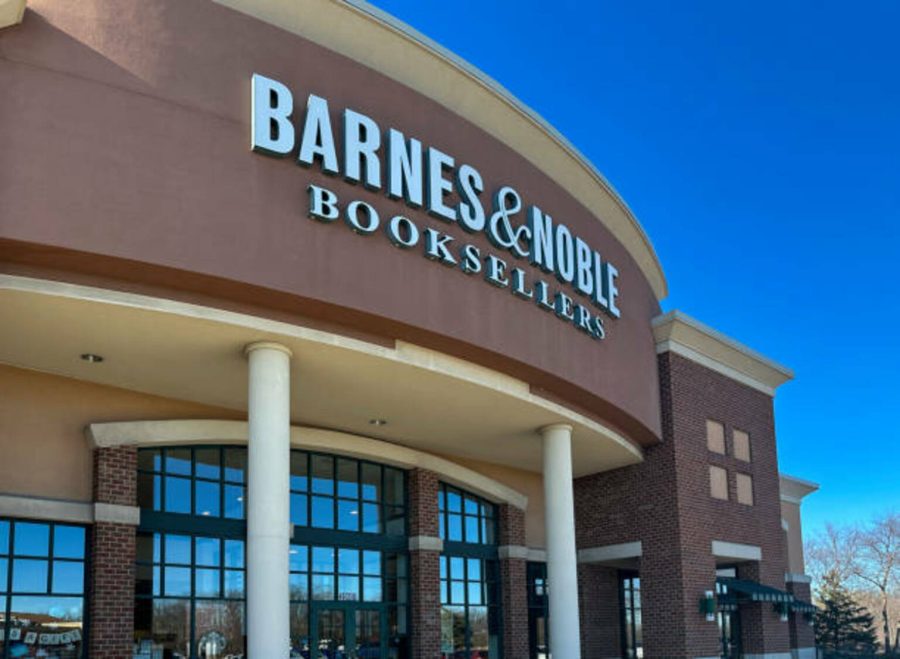
Barnes & Noble is on the comeback trail after being widely thought to be in terminal decline. The chain has cemented its place as the largest bookseller in the United States by reversing course by adding stores and retail square footage. Along the way, Barnes & Noble is believed to have nabbed market share from Amazon (NASDAQ:AMZN), Books-A-Million, Half Price Books, independent bookstores, and online platforms like Bookshop.org.
In 2024, Barnes & Noble opened 57 new stores, which was more than it opened in the 11-year span of 2009 to 2019. The company aims to open more than 60 additional locations in 2025 across at least 17 states, including major markets such as New York, California, Texas, and Illinois.
The company attributes its turnaround to a strategy that gives local bookstores more autonomy, allowing each store to tailor its offerings to the community it serves. The approach has resulted in robust sales and a renewed sense of relevance, especially as physical bookstores have become popular “third spaces” for socializing and browsing, a trend amplified by the popularity of book-related content on TikTok. In addition, many Barnes & Noble’s feature cafés and host author events to enhance their appeal as community hubs.
Barnes & Noble traces its roots to 1873, when Charles Barnes began selling books from his home in Wheaton, Illinois. In 1917, his son William partnered with G. Clifford Noble to establish Barnes & Noble in New York City and set up a flagship store on Fifth Avenue in 1932 as the chain prospered. In 1971, Leonard Riggio acquired the company, ushering in a period of rapid expansion and innovation, including the launch of the “superstore” concept. The company went public in 1993, expanded nationally, and later entered the e-book market with its NOOK devices.
Barnes & Noble Education (NYSE:BNED), the company’s college bookstore division, was spun off into a separate, publicly traded company in August 2015.
Ownership of Barnes & Noble changed hands in August 2019, when it was acquired by the British private equity group Elliott Advisors Limited for approximately $683 million. Notably, Elliott also owns Waterstones, the largest bookstore chain in the United Kingdom. James Daunt, the CEO of Waterstones, was then appointed CEO of Barnes & Noble following the acquisition. Under Daunt’s leadership, the company has focused on empowering local management and improving the in-store experience.
Looking ahead, Barnes & Noble is reported to be exploring a possible IPO, potentially in London or New York. The company is also working to modernize its digital infrastructure and expand its membership program, although the primary focus remains on the in-store experience, which it sees as its main advantage over online competitors like Amazon (NASDAQ:AMZN) and other social meeting places like Starbucks (NASDAQ:SBUX) and independent cafes.