More than 3,200 Boeing Defense (BA) employees who have been on strike since early August will vote Thursday on a new labor proposal from the company, union leaders said Monday.
The latest offer from Boeing (BA) trims the total ratification bonus but provides more cash upfront if members of the International Association of Machinists and Aerospace Workers District 837 approve it. Aside from that adjustment, the terms largely mirror earlier proposals that workers rejected.
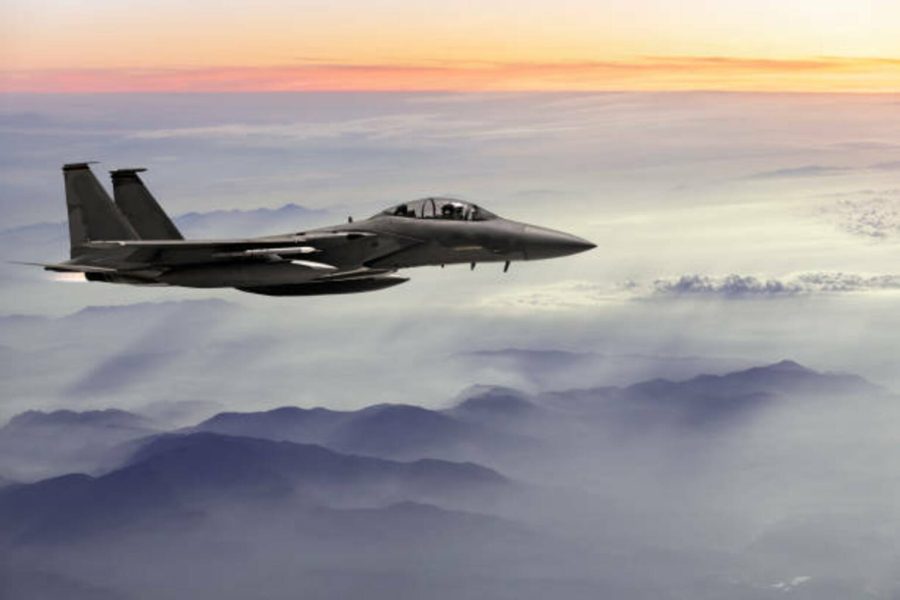
The walkout, now in its third month, has disrupted deliveries of F-15 fighter jets to the U.S. Air Force and slowed work on several other defense programs. The striking workers, based in the St. Louis area, help build F-15 and F/A-18 jets, the T-7 trainer aircraft, precision munitions, and wing assemblies for the 777X commercial jet.
Boeing’s (BA) new offer still includes a 24% wage increase spread over five years and a $6,000 signing bonus (double the $3,000 in the prior proposal), but cuts $4,000 in later contract bonuses. The union has continued to push for a larger ratification payout and improved retirement contributions, similar to what Boeing’s (BA) commercial division employees in Washington state received last year.
If workers accept the deal, they could begin returning to work as soon as Sunday night.
The company made the new offer public without engaging its IAM bargaining committee, a move the union criticized as bypassing normal negotiations. The IAM has accused Boeing (BA) of bad-faith bargaining in a complaint filed with the National Labor Relations Board last month after the company declined to resume formal talks.
Boeing Defense Chief Executive Steve Parker said in an open letter Monday that if the contract is ratified, all union employees will be reinstated, even if temporary replacements have been hired. However, he warned that such assurances would not stand if workers reject the latest deal.
While Boeing (BA) has been recruiting replacement labor as part of its contingency plans, union officials noted that the process can take months because new hires must undergo extensive training and security clearances.