Mindaugas Dulinskas/iStock Editorial via Getty Images
Boeing (NYSE:BA) on Tuesday forecast a significant long-term need for new aviation professionals, projecting that the global commercial aviation industry will require nearly 2.4 million pilots, technicians and cabin crew members over the next two decades.
Released at EAA AirVenture Oshkosh, the company’s annual Pilot and Technician Outlook anticipates the need for:
- 660,000 new pilots
- 710,000 maintenance technicians
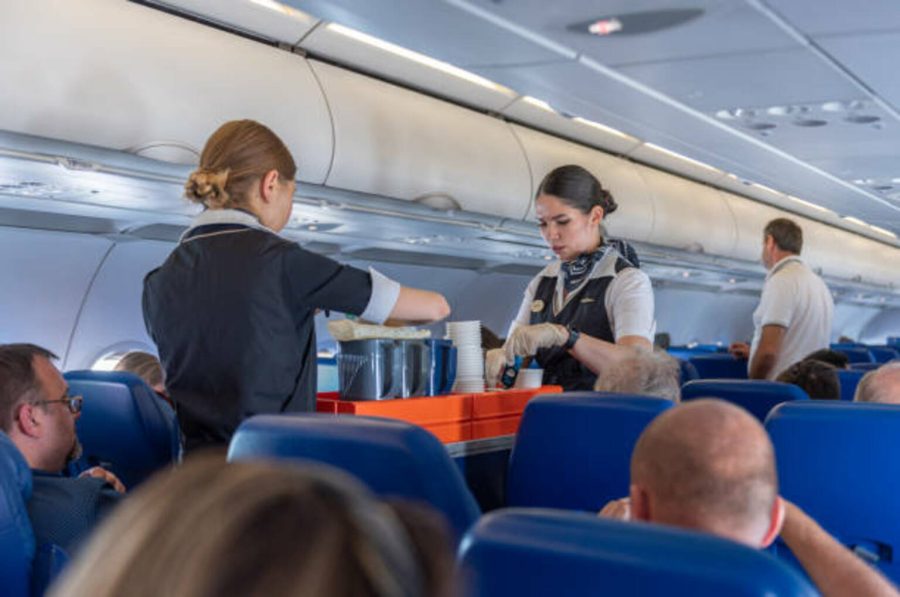
- 1 million cabin crew members
The demand stems from continued global air traffic growth, an aging workforce and increasing aircraft deliveries, especially narrowbody jets, as airlines expand and modernize their fleets.
“As commercial air traffic demand continues to outpace economic growth and the global fleet expands to meet demand, our industry must support workforce development to keep the fleet flying safely and efficiently,” Chris Broom, vice president of commercial training solutions at Boeing Global Services, said in a statement.
Tech-driven training
Boeing (NYSE:BA) meeting this demand will require not just recruitment, but innovation in training. The company highlighted the use of mixed reality, AI and digital learning platforms to enhance hands-on instruction and situational awareness, particularly for pilots and technicians.
“Competency-based training and assessment will remain the foundation of aviation education,” Broom said, underscoring the importance of both safety and efficiency.
Regional trends and growth hotspots
According to the forecast:
- Asia-Pacific regions (including China, South Asia and Southeast Asia) will lead global personnel demand, accounting for more than 40% of new hires.
- China alone is expected to require 426,000 new aviation workers, including 124,000 pilots.
- North America and Eurasia follow closely, with projected needs of 435,000 and 550,000 personnel, respectively.
- South Asia and Southeast Asia are the fastest-growing regions, with demand expected to more than triple by 2044.
Two-thirds of all new hires globally will be needed to replace retiring or exiting workers, while the remaining third will support growth in the global fleet.
The forecast comes as airlines and maintenance providers globally continue to grapple with post-pandemic labor shortages, especially among pilots and aircraft mechanics.