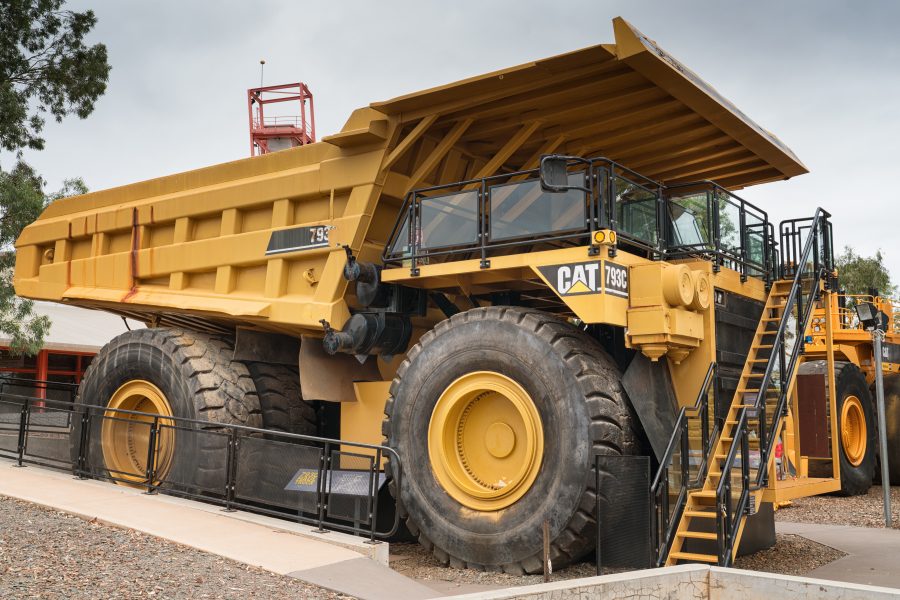
Caterpillar (CAT) is pushing its autonomous technology into new territory, expanding beyond large-scale mining operations and into quarry applications, as the company looks to translate decades of autonomy investment into broader commercial use.
A fleet of Cat 777 trucks worked autonomously in the company’s first quarry application, the Luck Stone Bull Run plant. (Caterpillar) 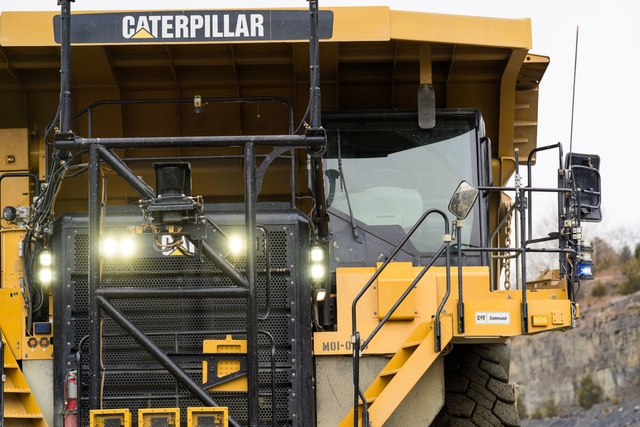
The equipment maker said its autonomous haulage system, MineStar Command for hauling, is now operating at Luck Stone’s Bull Run quarry in Virginia, marking its first deployment in a quarry environment. A fleet of autonomous Cat 777 trucks has already hauled more than 1 million tons of material, with productivity reaching parity with traditionally staffed machines shortly after launch, Caterpillar (CAT) said.
The move highlights how autonomy, long viewed as a fit mainly for massive, remote mining sites, is being adapted for smaller, more complex operations that face labor shortages and tighter safety constraints. Quarry sites typically have higher interaction between people and machines and operate closer to population centers, making consistency and reliability critical.
The update comes as Caterpillar (CAT) continues to emphasize automation and AI with its CES appearances this week.
Shares of Caterpillar (CAT) fell 4.2% on Tuesday, underperforming the broader market, with the S&P 500 (SP500) down about 0.3%.
While the quarry deployment is unlikely to move near-term financials, it offers a tangible signal that Caterpillar’s (CAT) autonomy platform is becoming more flexible and potentially more scalable across its customer base.