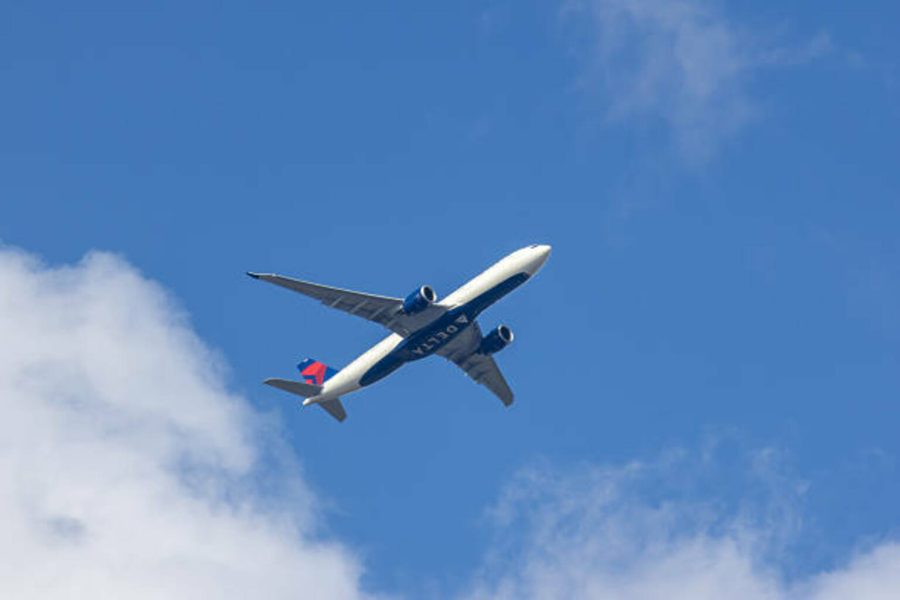
The airline industry’s underperformance in 2025 and capacity cuts have resulted in a “tactically bullish cyclical setup” for 2026, predominantly for those that Citi Research calls the “supermajors,” anticipating that their outperformance will prove more durable and persistent than even the most bullish expect.
Often referred to as legacy carriers, Citi’s John Godyn labels American Airlines (AAL), Delta Air Lines (DAL), and United Airlines (UAL) as “supermajors,” those airlines that have “successfully wrapped a new style of travel business model around a unique set of assets that no existing competitive or new entrant can easily recreate.”
As the supermajors have shown, this business model has enabled them to outperform both during downturns and upturns.
By contrast, legacy low-cost carriers (LLCC) are those whose business models were largely formed –and finely turned — under conditions and assumptions that no longer characterize the market today, catering to an entire category of traveler that based their choice strictly on low fares and no frills.
However, as the market became saturated with this easily copied business model, and as airlines are no longer able to stimulate demand through lower fares, LLCCs are now restructuring with turnaround plans that borrow heavily from supermajors but without the “differentiated set of assets that the supermajors have benefited from after decades of investment.”
As such, this anticipated “supermajor super cycle,” will amplify the wedge that has formed since COVID between the supermajors and the LLCCs in favor of the supermajors.
Or rather, Godyn believes “investors are likely to be surprised at the upside leverage that the supermajors will have to a reaccelerating cycle despite the fact that most of the supermajors have outperformed dramatically already throughout the airline downturn of late.”
Of the three Buy-rated airlines (UAL, AAL, DAL), Delta (DAL) is the only airline that Godyn has removed his High Risk rating, a “strong reflection of the durability and consistency of its strategy over time.”
United (UAL), Godyn predicts, will exceed its 2019 peak EPS by the largest amount of all the major carriers by leaning into its international strength, while American (AAL) offers the most significant upside potential of the three if it is able to demonstrate strong execution of its effort to regain corporate and premium travel market share.
And while Alaska Air Group (ALK) is not technically a supermajor, Godyn rates it a Buy as well as management’s strategic plan for the carrier is “clearly designed to further develop its supermajor-like strengths.”
Meanwhile, JetBlue (JBLU) and Southwest (LUV) are two names trying to reinvent their LLCC business model in various legacy airline-like ways. For JetBlue (JBLU), the “JetForward” plan could result in meaningful upside in shares, but until there is some noticeable impact in JBLU’s results, Godyn retains his Sell/High Rist rating on the stock.
For Southwest (LUV), Godyn does not approach the carrier’s turnaround plan with the same level of skepticism as JetBlue (JBLU) given the presence of a vocal activist investor and gives Southwest (LUV) a Neutral/High Risk rating. However, Southwest’s (LUV) embrace of a supermajor-like playbook without the benefit of supermajor advantages creates an “unusual degree of brand/customer dissonance and execution risk.”