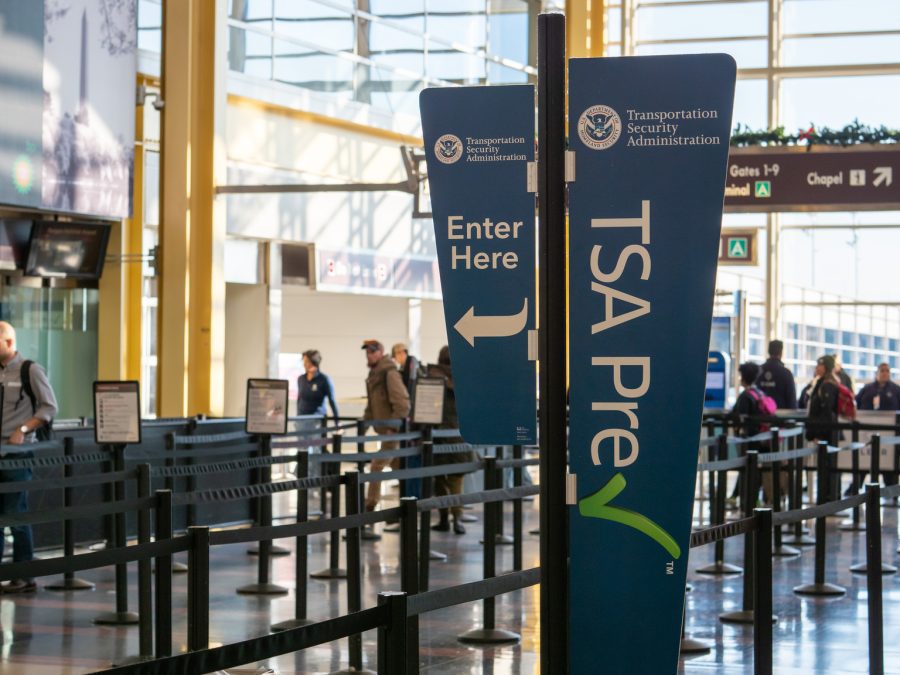
The Department of Homeland Security said it will temporarily suspend TSA PreCheck and Global Entry programs beginning Sunday at 6 a.m. ET, citing the need to redirect staff toward processing standard airport security lines after its funding lapsed on Feb. 14.
The move is part of broader cost-control measures tied to the ongoing government shutdown. DHS Secretary Kristi Noem described the actions as “necessary workforce and resource decisions,” while placing blame on congressional Democrats for withholding votes to restore agency funding. Democrats, in turn, argue the suspensions could worsen airport congestion and strain staff resources.
For investors, the key issue is operational risk to the travel sector. TSA PreCheck and Global Entry are widely used expedited-screening programs that help manage passenger flow at major U.S. airports. Their suspension increases the likelihood of longer security lines, travel disruptions and reduced customer satisfaction, particularly during a period of record air travel volumes.
Airlines for America, representing major carriers, warned that the abrupt suspension could create confusion and planning challenges for travelers. Extended delays could weigh on airline sentiment and potentially dampen near-term demand if the shutdown persists.
Roughly 95% of TSA’s 60,000 employees are required to work during a shutdown, but history shows that prolonged funding gaps can lead to staffing shortages as unpaid employees call out sick. This dynamic raises the risk of airport bottlenecks, particularly at large hub airports.
Separately, DHS said FEMA will halt non-disaster-related activities and limit response efforts to new emergencies requiring immediate action. While core operations at Immigration and Customs Enforcement and Customs and Border Protection are expected to continue, political tensions surrounding immigration enforcement remain central to the funding standoff.
For markets, the situation bears monitoring for three reasons:
- Airline and airport operator exposure to potential throughput disruptions.
- Consumer travel sentiment risk if delays become widespread.
- Duration risk: The longer the shutdown lasts, the greater the operational and reputational impact.
If resolved quickly, the economic effect is likely minimal. A prolonged impasse, however, could introduce friction into an already capacity-constrained air travel system, with knock-on effects for airlines, airport operators and related travel stocks.