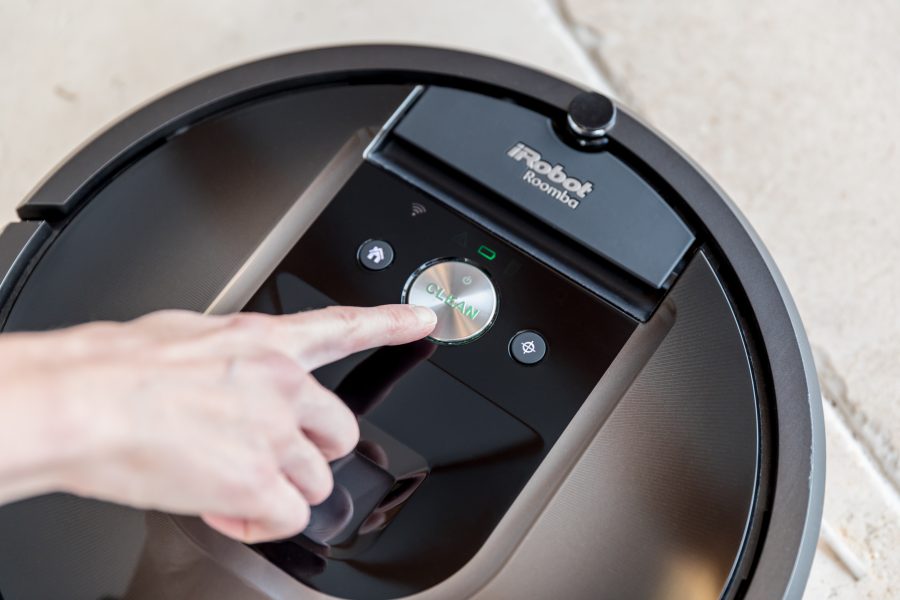
The consumer robot industry took a turn on Monday after iRobot filed for Chapter 11 bankruptcy protection in Delaware.
iRobot was founded in 1990 as IS Robotics by Colin Angle, Helen Greiner, and Rodney Brooks, who spun out of MIT’s AI and robotics work with a vision to build practical robots for tasks considered dangerous, dirty, or dull. Early revenue came primarily from U.S. government and research contracts, including work with NASA and DARPA, rather than from consumer products. Through the 1990s, the company built various specialized robots, including early space-exploration concepts and mobile platforms that demonstrated navigation and autonomy technologies later reused in consumer devices.
Notably, iRobot (IRBT) launched the first Roomba robot vacuum in September 2002 to become the first commercially successful home robot, reaching roughly a million units sold annually within a few years. The company went public on the NASDAQ in 2005. A major strategic pivot came in 2016, when iRobot (IRBT) sold its Defense & Security division for about $45 million to concentrate entirely on consumer robots.
Amazon (AMZN) agreed to acquire iRobot in 2022 in a deal initially valued at around $1.7 billion. After extended antitrust scrutiny, especially in the European Union over concerns about marketplace foreclosure in robot vacuums, Amazon (AMZN) and iRobot (IRBT) mutually terminated the acquisition in January 2024. Following the collapsed buyout, iRobot (IRBT) went through a series of restructurings, including significant layoffs, before the bankruptcy filing.
Shares of iRobot (IBR) fell 69.5% in premarket trading to $1.32.