Weighing the crosscurrents in the present consumer environment – including rate cuts, tariffs, employment growth, accelerating wealth-effect, and tax stimulus from the One Big Beautiful Bill – J.P. Morgan analyst Christopher Horvers isolates certain names within the retail sector that can outperform in a volatile, and sometimes treacherous investment environment.
“We see the potential harmonization of four positive factors in the first half of 2026 that should drive upside to consensus estimates for our home/goods-oriented retailers,” Horvers says, citing solid wage growth, rising replacement cycles, and incremental net inflation benefits as particular catalysts for specific names in the category.
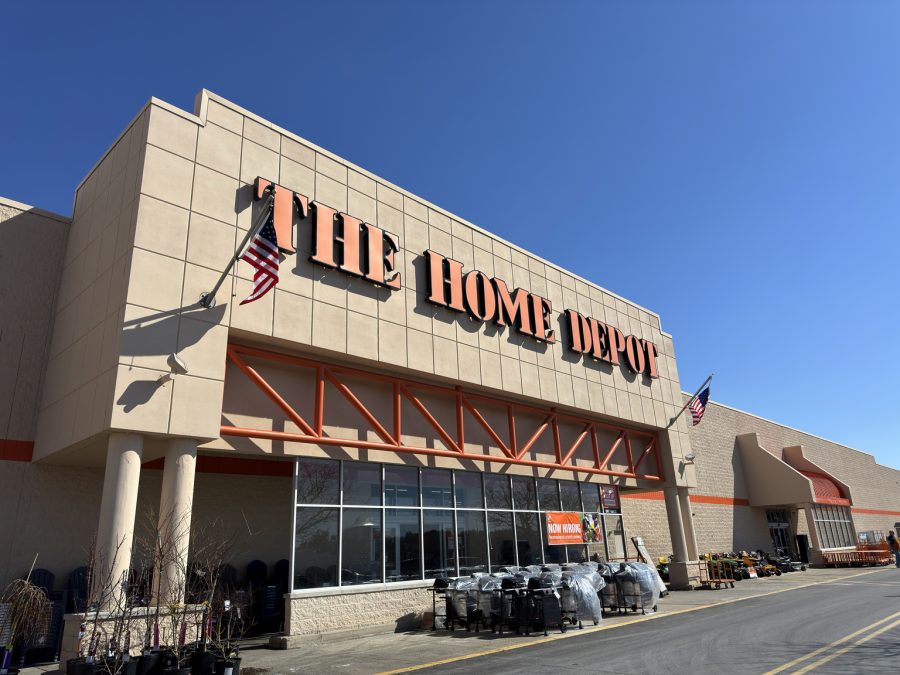
Horvers takes particular note of Home Depot (NYSE:HD) and Wayfair’s (NYSE:W) compelling upside potential as housing market data shows signs of improvement in the sector and as share-of-wallet headwinds have evaporated, amplified by the likelihood of another rate cut.
“We believe Home Depot (NYSE:HD) remains one of the best long-term stories in retail given company-specific growth initiatives, its outstanding culture, and commitment to innovation in stores,” Horvers says, while Wayfair (NYSE:W) “should outgrow the category given the longer-term shift toward online retailing.”
Accordingly, Horvers places both Home Depot (NYSE:HD) and Wayfair (W) on J.P. Morgan’s Positive Catalyst Watch list.
Best Buy (NYSE:BBY) is also dependent on housing market cycles with correlations similar to Home Depot (HD), especially for appliances and TVs, while a replacement cycle should benefit computing tablets – which constitute 33% of Best Buy sales. Horvers’ views Best Buy (NYSE:BBY) positively especially as investors seem to “underappreciate tech cycles and the company’s sales correlation to housing.”
Post Tariff Outlook
Horvers’ analysis came ahead of President Trump’s tariff announcement Friday on imported furniture, kitchen cabinets, and bathroom vanities – meaning the dynamics for Wayfair (W) could be viewed differently in a post-tariff environment.
But even as the additional costs could put a dent in Wayfair’s (W) bottom-line, it seems unlikely to curb demand.
Wayfair’s (W) strong online presence and management’s ongoing commitment to control expenses “may create a longer-term positive inflection in earnings revisions…aided by its advantaged assortment/supply chain as the largest scaled online specialty player in the industry,” Horvers says.
Additionally, Wayfair’s (W) implementation of AI and platform enhancements, as well as its CastleGate logistics platform –which creates an integrated ecosystem to benefit both Wayfair (W) and its suppliers – puts the company at a competitive advantage to peers.
For Home Depot (HD) the exposure is even less significant. The company has taken significant measures to limit its exposure to foreign suppliers. Additionally, Home Depot’s (HD) diversified supply chain – along with a majority of its merchandise coming from within the U.S.– gives Home Depot (HD) flexibility in cost management and pricing, allowing the company to absorb any unexpected price shocks such as those possible with the recent tariff announcement.