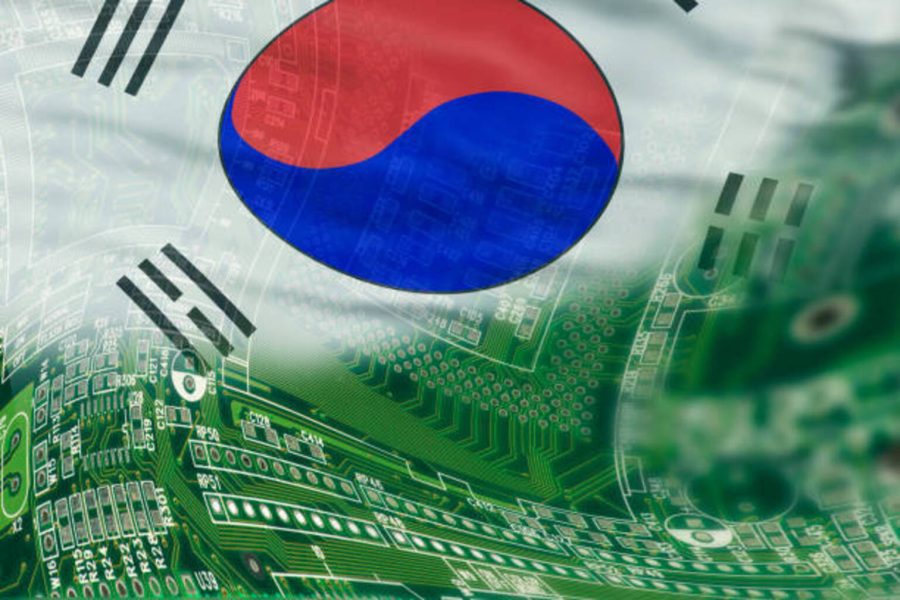
The U.S.-Israel-Iran conflict could disrupt the supply of chipmaking materials and push electricity costs higher, a South Korean lawmaker warned on Thursday, according to multiple media reports.
“The semiconductor industry expressed concerns that rising oil prices could lead to higher electricity costs domestically, which could ultimately undermine the price competitiveness of semiconductors,” lawmaker Kim Young-bae said after meeting with executives from companies such as Samsung Electronics (SSNLF) and SK Hynix (HXSC.F).
Kim said South Korean companies source key chipmaking materials from the Middle East, like helium, and any supply disruption will impact chip production.
“Logistics and transportation expenses will likely be the biggest issues rising from the situation in the Middle East,” he said.
South Korea is “highly dependent” on the Middle East for 14 items used in chipmaking, including helium, bromine and chip inspection equipment, its industry ministry said. Some of these can be sourced domestically or from other countries.
But 54% of its naphtha imports travel through the Strait of Hormuz, and supplies could be hit if the Iran conflict is prolonged.
South Korea sources 70% of its oil from the Middle East. The government said it has enough oil reserves for now, but it plans to secure alternative supplies. Lawmaker Kim said he is working on a proposal to deploy the reserves as needed for each industry.
Some chipmakers are downplaying supply concerns. SK Hynix (HSXC.F) told Reuters it has “long secured diverse supply chains and sufficient inventory” of helium, because of which “there is almost no chance that the company will be affected.”
Samsung (SSNLF), South Korea’s largest chipmaker, declined to comment.
Taiwan Semiconductor Manufacturing said it does not expect any significant impact currently, and continues to closely monitor the situation.
Contract chipmaker GlobalFoundries (GFS) said it is “in direct contact with suppliers, customers and partners in the region” and “mitigation plans” are in place.