Chung Sung-Jun/Getty Images News
South Korean investigators have uncovered substantial evidence indicating that pilots of the Jeju Air flight that crashed in December mistakenly shut down the less-damaged engine following a bird strike, Reuters reported on Monday, citing a person familiar with the probe.
The source, who requested anonymity due to the ongoing nature of the investigation, said data from the cockpit voice recorder, flight systems and an engine switch recovered from the wreckage clearly show the crew disabled the aircraft’s left engine during an emergency procedure, despite the right engine sustaining more damage from the bird strike.
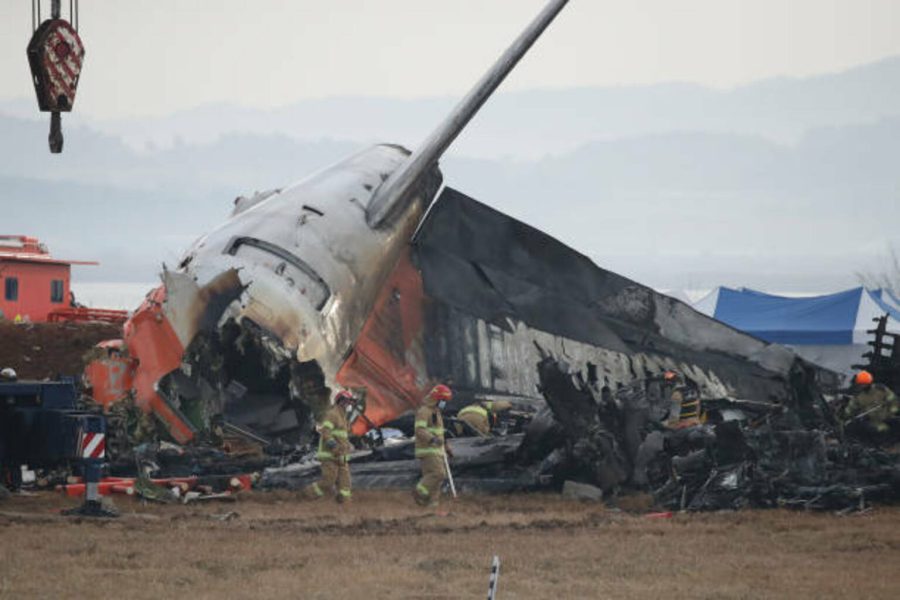
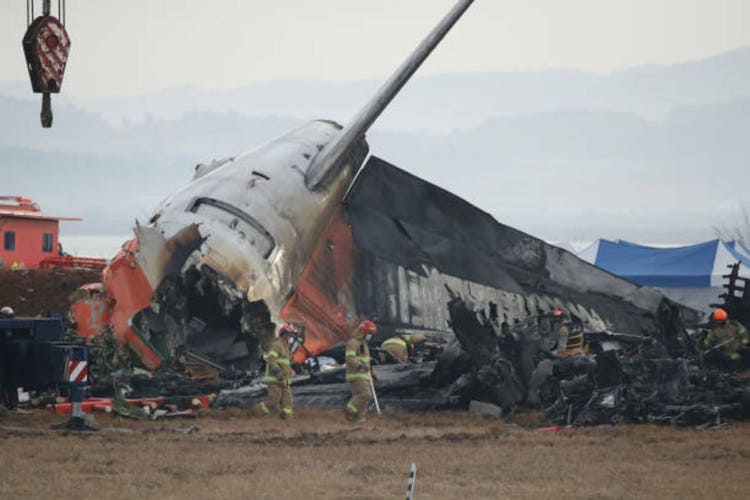
The aircraft, a Boeing 737-800 operated by Jeju Air, crashed on December 29 while attempting to land at Muan Airport after departing from Bangkok. The incident claimed the lives of 179 of the 181 passengers and crew, making it South Korea’s deadliest aviation disaster on record.
Technical inspections of the engines revealed no pre-existing defects prior to the bird impact, another government source confirmed to Reuters. Families of the victims were informed over the weekend that the bird strike had caused more severe damage to the right engine, but evidence suggests the flight crew deactivated the left one instead, according to a third person who attended the briefing, Reuters reported.
South Korean media outlets MBN and Yonhap News reported similar findings over the weekend. However, the country’s Aviation and Railway Accident Investigation Board (ARAIB), which is spearheading the inquiry, has yet to issue a formal statement or respond to media inquiries. Boeing (NYSE:BA) deferred all questions to the ARAIB, while engine manufacturer CFM International, jointly owned by GE Aerospace (NYSE:GE) and France’s Safran (OTCPK:SAFRF) (OTCPK:SAFRY), hasn’t commented.
Jeju Air stated it is fully cooperating with investigators and awaiting the official release of the findings. A preliminary report from January confirmed the presence of bird remains, later identified as ducks, in both engines, though it did not specify the extent of the damage at the time.
Initially scheduled to update the media on its findings Saturday, the ARAIB canceled the announcement after meeting with victims’ families. According to lawyers representing the families, there was concern that the update unfairly implied pilot error without sufficiently examining other contributing factors.
The aircraft reportedly overran the runway during an emergency belly landing and struck a navigation equipment embankment, igniting a fire and explosion. The pilots’ union and victims’ families have called for a broader examination of the crash site, particularly the role of the embankment in the severity of the crash.
The union criticized the investigative board for allegedly framing the pilots as solely responsible. They argued that both engines showed bird remains, and that ARAIB hasn’t offered scientific proof the aircraft could have safely landed using only the left engine. The union also expressed concern that broader systemic issues, such as airport infrastructure and organizational oversight, have been overlooked.
A group representing the bereaved families released a statement saying some language in the draft press release gave the impression that a final determination had already been made, urging that all aspects of the accident be thoroughly investigated before conclusions are drawn, Reuters reported.
Aekyung Group is Jeju Air’s biggest shareholder, while Jeju Air is the largest shareholder in AK Holdings, the holding company of Aekyung Group.
More on Boeing, GE Aerospace, etc.
- GE Aerospace: Strong Multi-Year Growth And Compelling Valuation
- This Ain’t Your Grandpa’s GE: Aerospace Engines Firing On All Cylinders
- General Electric Company (GE) Q2 2025 Earnings Call Transcript
- Ryanair says tariff costs are Boeing’s burden, warns of delivery pause amid earnings outlook
- NTSB head says Air India crash reporting ‘premature’