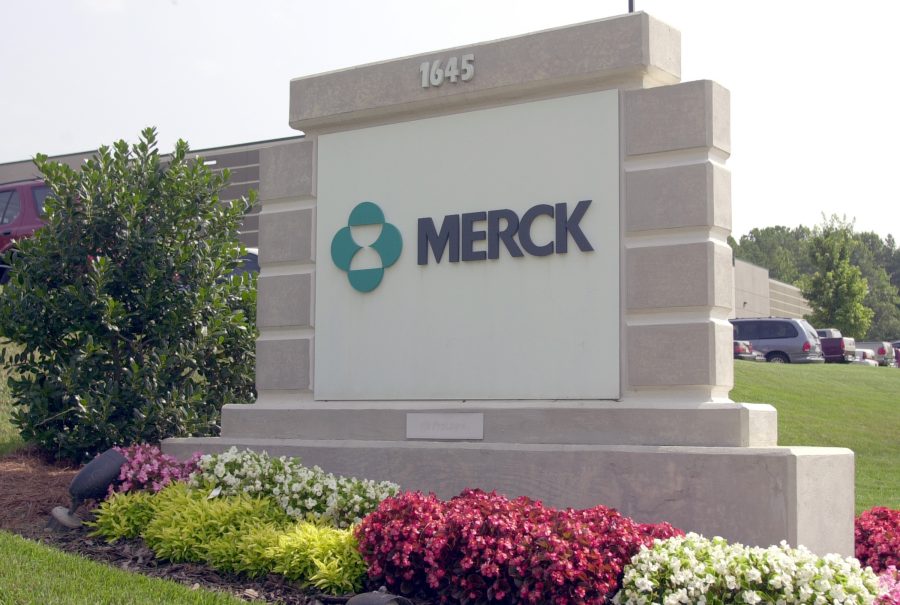
Merck (MRK) has ended discussions about a potential acquisition of biotech firm Revolution Medicines, The Wall Street Journal reported Sunday, citing people familiar with the situation.
The pharmaceutical giant had been in talks to buy the cancer drug developer in a transaction that could have valued Revolution at roughly $30 billion. Those negotiations ultimately stalled after the two sides failed to bridge differences over valuation, the people said.
While talks have broken off for now, the door isn’t fully closed. Negotiations could resume at a later stage, or another bidder could step forward. Investor interest in Revolution remains elevated ahead of the expected release of key clinical trial results for its pancreatic and colorectal cancer drug candidates later this year.
Earlier this month, The Wall Street Journal reported that AbbVie (ABBV) (ABBV:CA) had entered advanced discussions with Revolution and that the company was attracting attention from multiple potential suitors. AbbVie later said it wasn’t in talks with the biotech firm.
Before reports of takeover interest surfaced in January, Revolution carried a market capitalization of about $16 billion. Its shares rallied on deal speculation, lifting the company’s valuation to more than $22 billion by the end of last week.
Merck (MRK) Chief Executive Robert Davis said at the J.P. Morgan Healthcare Conference earlier this month that the company’s recent dealmaking focus has largely centered on transactions valued at $15 billion or less. He added that Merck remains open to larger acquisitions but emphasized a disciplined approach to capital deployment.
Revolution Medicines is developing therapies that target RAS, a molecular driver implicated in a wide range of cancers. RAS has long been considered one of the most difficult targets in oncology, frustrating researchers for decades due to technical challenges in designing effective drugs. Revolution’s experimental treatments aim to block this pathway, potentially opening new options for cancers such as lung, pancreatic and colorectal disease.
Analysts see significant upside if those efforts succeed. Mizuho Securities has said that Revolution’s pancreatic cancer candidate alone could generate as much as $10 billion in annual global sales by 2035 if clinical results prove both effective and safe.
Cancer therapeutics remain one of the pharmaceutical industry’s most lucrative segments, with treatments often carrying six-figure annual price tags. Worldwide sales of oncology drugs topped $240 billion last year, according to market research firm Evaluate data cited by the Journal.