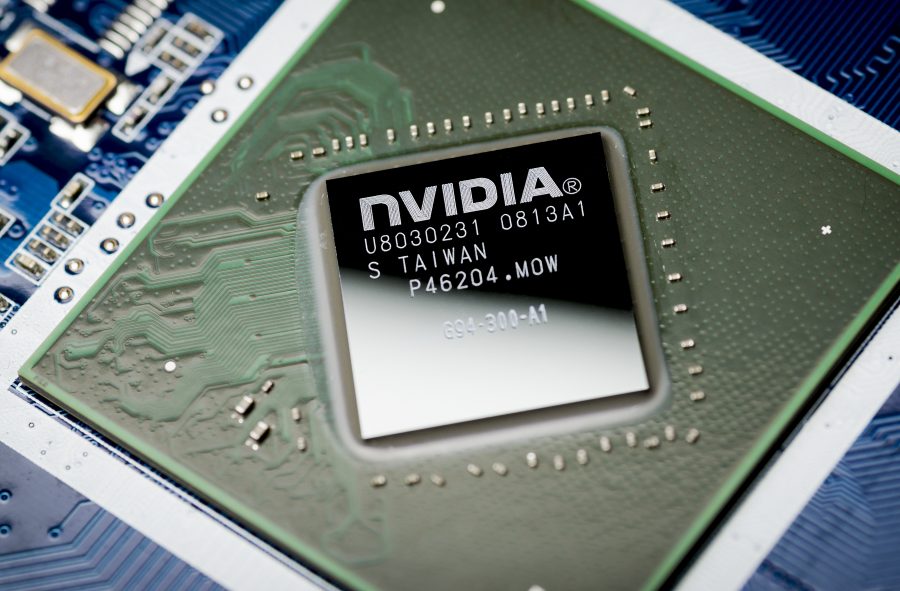
Nvidia (NVDA) has halted production of its H200 AI chips destined for China due to persistent U.S. and Chinese export controls blocking sales. The chipmaker is now reallocating Taiwan Semiconductor Manufacturing Company (TSM) manufacturing capacity to ramp up output for its next-generation Vera Rubin hardware instead, the Financial Times reported, citing people with knowledge of the matter.
“Instead of waiting in a limbo, Nvidia has to move on to what it can achieve with certainty especially when there’s a shortage of supply for its advanced stuff,” one person with knowledge of the plans told FT. “This could in a way accelerate the Vera Rubin delivery and roll out.”
The ongoing export controls and regulatory guardrails in both the U.S. and China appear to be stalling any significant commercial momentum of H200 chips. Nvidia (NVDA) has already produced around 250,000 H200 chips, and with only limited orders expected under U.S. and Chinese restrictions, existing inventory should be enough to meet demand, a person familiar with the matter said.
China’s President Xi Jinping and President Donald Trump are set to meet at the end of March, fueling speculations that H200 export curbs could be eased. If that happens, Nvidia (NVDA) would need up to three months to ramp up H200 production, though existing inventory could bridge demand in the interim, the people added.
Named after the astronomer Vera Rubin, it is Nvidia’s (NVDA) latest chip architecture designed for large-scale data center AI workloads, including training and inference of advanced models, and is in strong demand from top U.S. tech groups such as OpenAI (OPENAI) and Google (GOOG).
Nvidia (NVDA) and TSMC (TSM) did not immediately respond to Seeking Alpha’s request for comment.