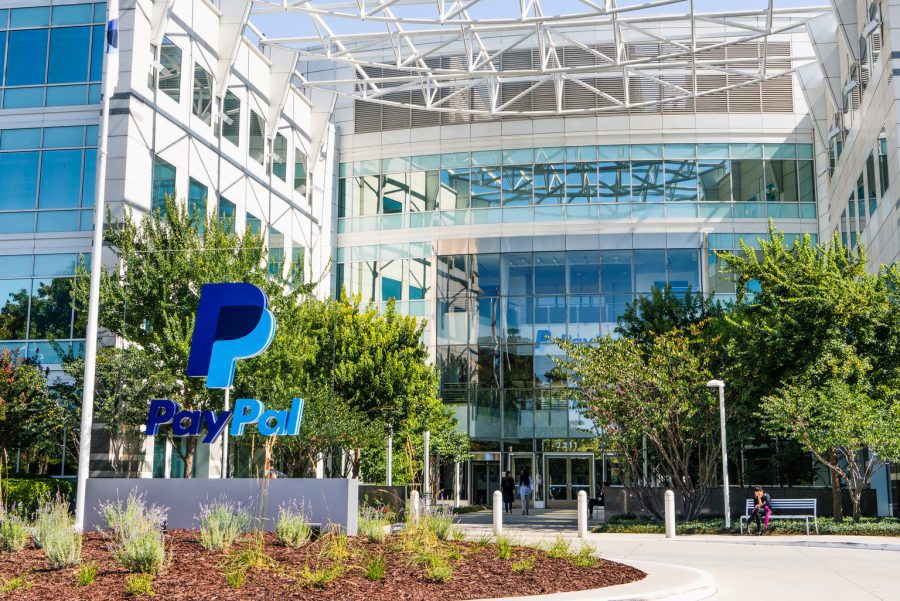
PayPal (PYPL) is scheduled to announce Q4 earnings results on Tuesday, February 3rd, before market open, and the stock continues to face a hit from competitive pressures.
The consensus EPS estimate is $1.29 (+8.4% Y/Y) and the consensus revenue estimate is $8.79B (+4.6% Y/Y).
Over the last 2 years, PYPL has beaten EPS estimates 100% of the time and revenue estimates 75% of the time.
Over the last 3 months, EPS estimates have seen 4 upward revisions and 16 downward revisions. Revenue estimates have seen 2 upward revisions and 16 downward revisions.
“PayPal (PYPL) is releasing its Q4 earnings soon, and it is likely to be a strong bullish catalyst that can lead to a sharp share price rebound after the report,” said Seeking Alpha analyst KM Capital.
“There is not only a robust earnings surprise record in PayPal’s corner, but also improving unit economics and strong Q4 holiday season 2025 sales data,” said KM Capital.
On average, PYPL bags a Buy rating from Seeking Alpha authors.
“I see 2026 as a potential year for a reversal in the market narrative around PayPal’s branded checkout rates,” said Seeking Alpha contributor Oakoff Investments.
“The main risk to my thesis remains in the Apple Pay and Google Pay threat, which has been limiting PayPal’s business growth,” noted the author. “Another risk related to PYPL’s margins is the firm’s declining take rate, which has dropped from about 3.4% a few years ago to 1.64% in Q3 2025, and it does look concerning.”
“Despite the risks, I think that the odds for PYPL’s eventual reversal are higher,” said Oakoff Investments.
Meanwhile, the Wall Street community as well as the Quant Rating system grade the stock as Hold.
The San Jose-based payments company should be well-positioned for agentic commerce, but its advantage will erode as consumer behavior shifts, according to Rothschild & Co Redburn.
The marginal consumer is increasingly choosing alternative payment methods, such as Shop Pay, Stripe Link, Apple Pay, and Google Pay, noted the capital markets services provider.
Cantor Fitzgerald analyst Ramsey El-Assal also noted that competitive pressures remain intense.
The stock is down ~9% year-to-date, and is currently trading about 21% below its 200-day simple moving average.
Insiders are net sellers, with the stock having seen 11 sell transactions in the past three months against three open market buys.
A positive catalyst could be any announcement that likely counters the pace of persistent consumer checkout share loss.