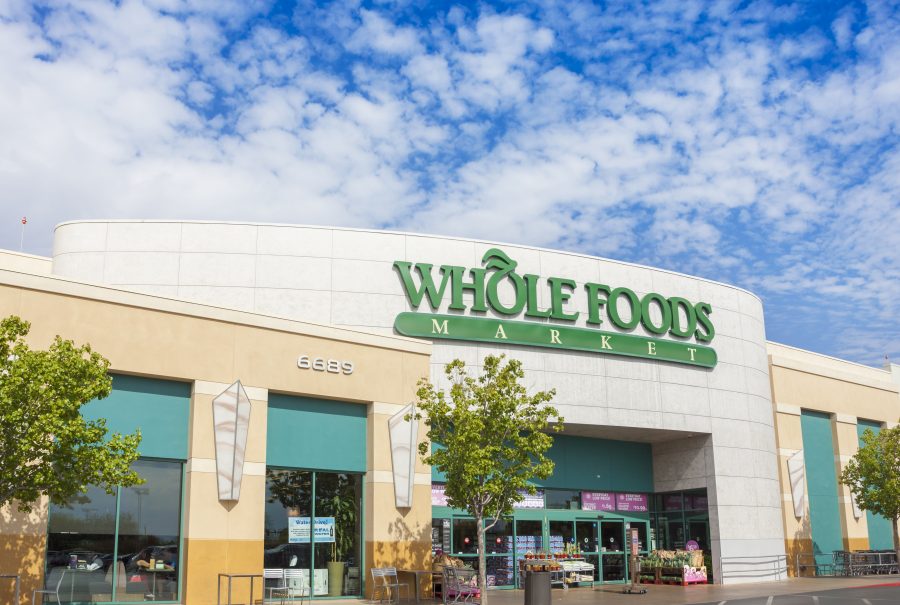
Amazon (AMZN) is in the spotlight of the grocery sector after it announced its plans to close its Amazon Fresh and Amazon Go storefronts to prioritize investment in growth areas. The e-commerce intends to focus on expanding its Whole Foods Market brand, with plans to open more than 100 new stores over the next few years, in addition to expanding its same-day delivery service to new cities and towns in 2026.
Wedbush Securities analyst Dan Ives said the Whole Foods Market announcement is an important step forward in Amazon’s (AMZN) broader strategy. He thinks the initiative should help the company capture incremental share in perishable categories where they have struggled historically. “The reason this announcement is so significant is that Amazon has yet to displace incumbents in the grocery category, at least for perishables,” he highlighted. The grocery mix at large general merchandisers such as Walmart, Target, and Costco has made the category of critical importance to Amazon.
Mizuho analyst David Bellinger said developing a larger fulfillment network could help Amazon (AMZN) increase grocery market share. During Amazon’s (AMZN) third-quarter earnings conference call, CEO Andy Jassy said Amazon (AMZN) could grow to be a top-three grocery in the U.S.
Amazon (AMZN) acquired Whole Foods Market in 2017 for about $13.7B in a breakthrough deal that instantly gave it hundreds of high-end stores and a credible entry into brick-and-mortar grocery. After closing, Amazon moved quickly to cut prices on key staples and embed Whole Foods into the Prime ecosystem, offering extra Prime discounts, digital coupons, and enhanced rewards via its co-branded credit card, turning Prime into Whole Foods’ de facto loyalty program while trying to soften the “Whole Paycheck” image.
The implications of a larger Whole Foods footprint and expansion of fresh food delivery for Amazon (AMZN) Prime members could impact numerous retail companies, including Walmart (WMT), Target (TGT), Costco (COST), Kroger (KR), Albertsons Companies (ACI), Sprouts Farmers Market (SFM), and Instacart (CART).