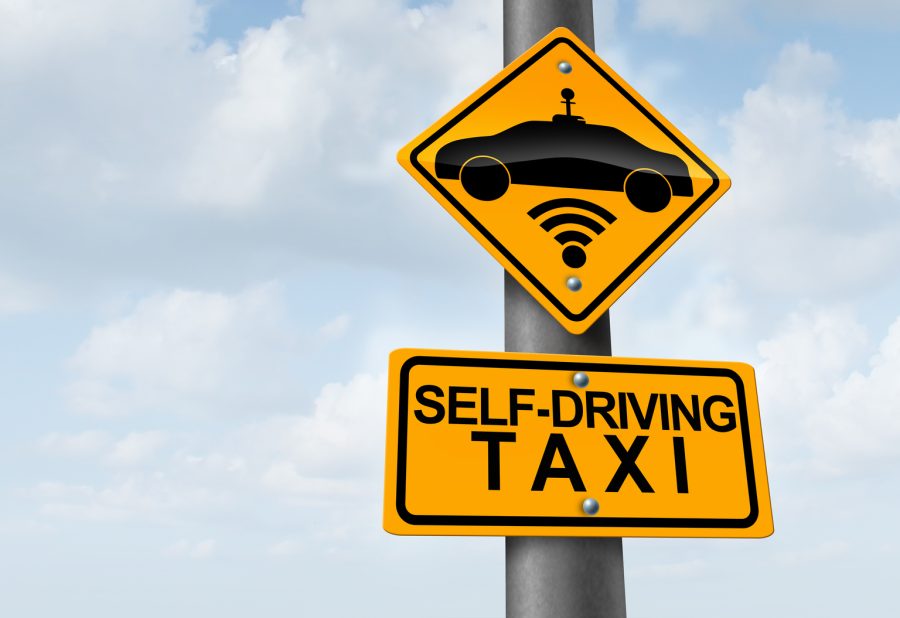
Robotaxis are destined to become more visible in 2026 across the U.S., Europe, and China as services expand. Both Waymo (WAYMO) and Tesla (TSLA) have aggressive plans in the U.S., while Baidu’s (BIDU) Apollo Go, Pony.ai (PONY), and WeRide (WRD) are already operating driverless fleets in key regions in China. Europe is on a slower pace for robotaxi adoption, although companies like Bolt, Uber (UBER), and FreeNow (LYFT) are making plans.
One of the dominant themes in consumer reviews of robotaxi services like Waymo’s (WAYMO) in Phoenix and Los Angeles and Tesla’s (TSLA) in Austin is that the vehicles drive very cautiously, obey speed limits, hesitate on unprotected left turns, and sometimes miss chances to merge or go around slow cars. While that is considered a positive on the safety front, there is some risk seen that riders may see the robotaxi ride as less efficient than a taxi or Uber (UBER), even if the cost is lower. Recent surveys have indicated that the issue is a major consideration in making last-minute robotaxi decisions.
“Driver, step on it” is not a command that a robotaxi can accept like a taxi driver or a human rideshare operator, which in some use cases could frustrate riders late for an appointment or airplane flight.
For his part, Tesla (TSLA) CEO Elon Musk has warned that even a single accident would generate negative global headlines, which he gives as a reason Tesla (TSLA) must remain prudent in the manner robotaxis are deployed. Tesla (TSLA) has a “Mad Max” option with its FSD for private cars, but that option has already been criticized by safety advocates and is unlikely to be a feature in the CyberCab rollout.
ETFs related to the robotaxi industry include the Roundhill Robotaxi, Autonomous Vehicles & Technology ETF (CABZ), the Global X Autonomous & Electric Vehicles ETF (DRIV), and the KraneShares Electric Vehicles and Future Mobility ETF (KARS).