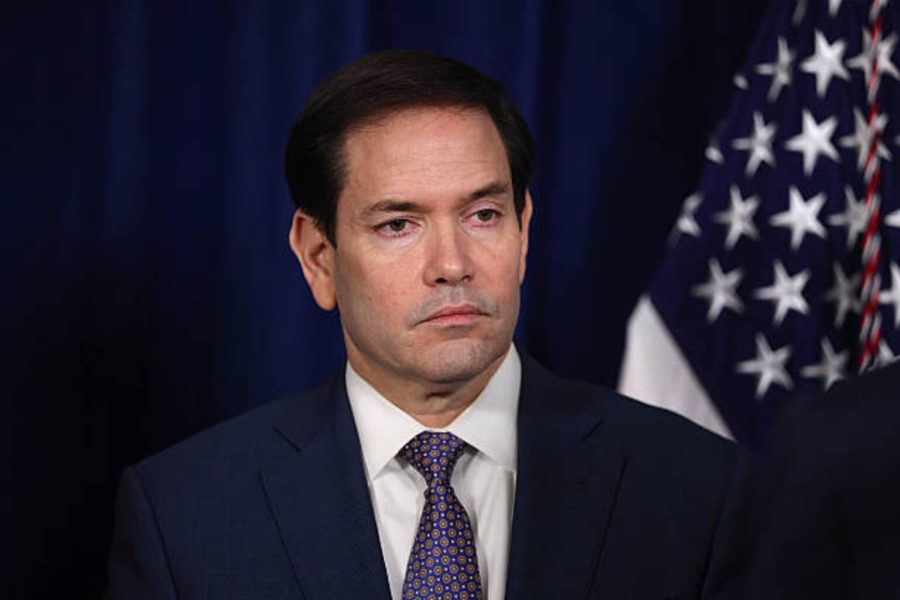
U.S. Secretary of State Marco Rubio said Sunday that the Trump administration expects strong interest from Western energy companies in returning to Venezuela, while stopping short of addressing whether U.S. troops could be deployed to protect oil infrastructure.
Speaking on This Week, Rubio said the administration’s focus is not on physical control of oil assets but on enforcing sanctions tied to governance reforms in the country’s energy sector.
“This is not about securing the oil fields,” Rubio told ABC News anchor George Stephanopoulos. “This is about ensuring that no sanctioned oil can come in and out until they make changes to the governance of that entire industry.”
Rubio said he has not personally spoken with U.S. oil executives in recent days, but indicated the White House anticipates what he described as “dramatic interest” from Western firms if restrictions are eased. He added that private companies would be eager to re-enter the market under the right conditions.
“I think there would be tremendous demand and interest from private industry if given the space to do it, if given the opportunity to do it,” he said.
At present, Chevron (CVX) is the only U.S. oil producer operating in Venezuela, doing so under a special license granted by Washington.
Venezuela holds the world’s largest proven oil reserves and continues to export hundreds of thousands of barrels per day. Still, Rubio said the U.S. would maintain its strict enforcement posture toward sanctioned Venezuelan oil, even following the overthrow of former leader Nicolás Maduro.
“If you are a sanctioned boat and you are headed towards Venezuela, you will be seized either on the way in or on the way out,” he said, describing the sanctions regime as “crippling” for Maduro’s former government.
Rubio painted a bleak picture of the country’s oil industry, arguing it has effectively collapsed under years of mismanagement and corruption.
“These oil fields basically are pirate operations,” he said. “People literally steal the oil from the ground, a handful of — that’s how they hold this regime together. A handful of cronies benefit from this oil — specific oil wells. They’re producing at like 18 percent capacity because the equipment is all decrepit and they basically pocket the money to their benefit. They sell the oil at a discount on global markets, you know, 40 cents on the dollar, 50 cents on the dollar.”
He added that Venezuela’s energy wealth has failed to benefit ordinary citizens for years.
“Those oil fields have not benefited the people of Venezuela in over a decade. They have — but they have made multimillionaires, billionaires out of just a handful of people. And that’s what’s held this regime together. That’s what needs to be addressed,” Rubio said.
According to Rubio, U.S. sanctions will remain in place until Venezuela’s oil industry is restructured in a way that serves the broader population rather than entrenched elites.
“The way to address it, to the benefit of the Venezuelan people, is to get private companies — that are not from Iran or somewhere else — to go in” and invest in infrastructure, he said.
“The people who do this stuff will know how to do it.”