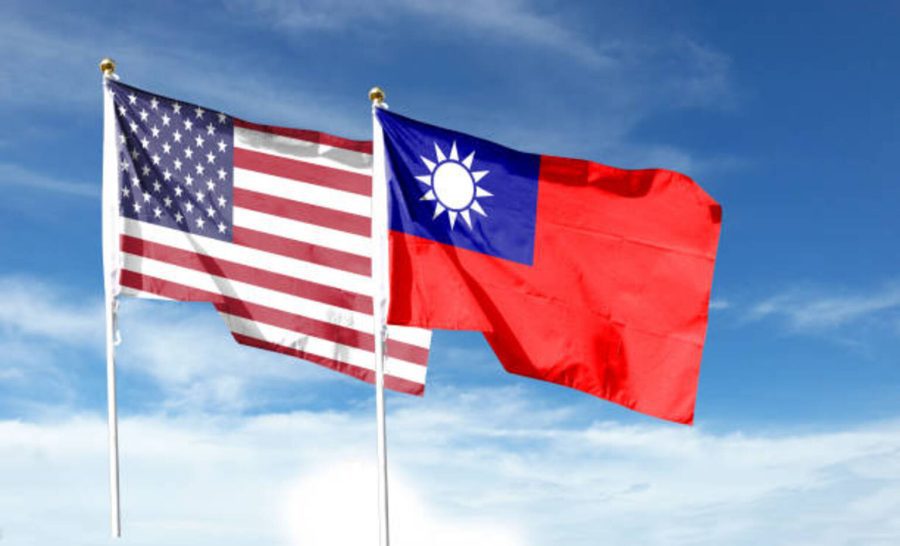
The U.S. and Taiwan announced a new trade deal on Thursday, with the Asian nation investing significant sums of money in the U.S. In return, the U.S. will cut tariffs on products from Taiwan.
As part of the deal, Taiwan will invest at least $250B in semiconductors, energy and artificial intelligence production in the U.S., the White House said in a release. The Asian nation will also provide credit guarantees of at least $250B for additional investment from Taiwanese companies, including “supporting the establishment and expansion of the full semiconductor supply chain and ecosystem in the United States.”
In return, the U.S. cut its reciprocal tariff rate applied on Taiwanese goods to no more than 15%. Tariffs coming from Section 232 on goods such as Taiwanese auto parts, timber, lumber, and wood derivative products will total no more than 15%.
The U.S. also got rid of its reciprocal tariff for generic pharmaceuticals, generic ingredients, aircraft components, and unavailable natural resources.
In addition, the White House said that Taiwanese companies who have completed new chip production projects in the U.S. “will still be able to import 1.5 times their new U.S. production capacity without paying Section 232 duties.”
Taiwan Semiconductor (TSM), Taiwan’s largest company by market cap, saw its shares rise nearly 5% on Thursday after the global foundry reported better-than-expected quarterly results.
Dear readers: We recognize that politics often intersects with the financial news of the day, so we invite you to click here to join the separate political discussion.