lyash01/iStock via Getty Images
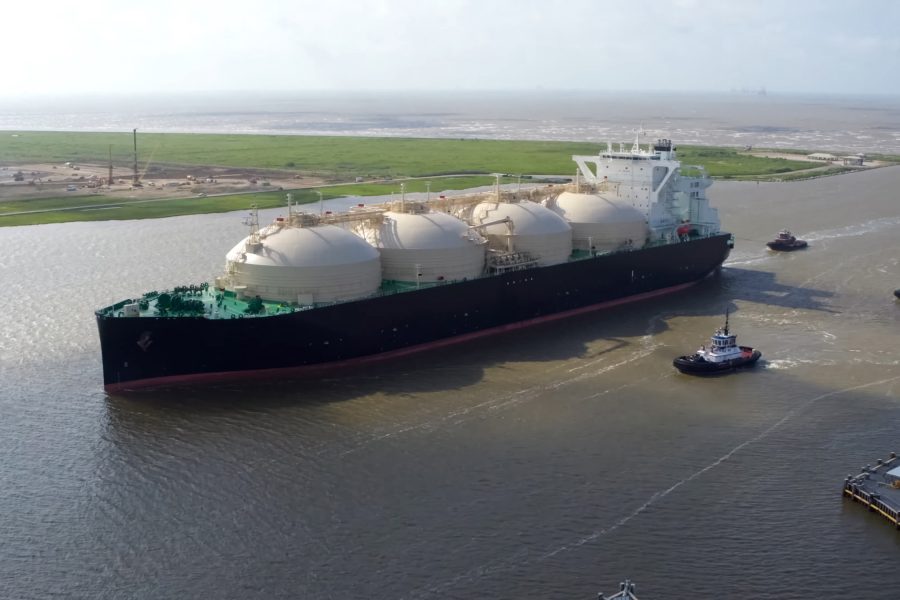
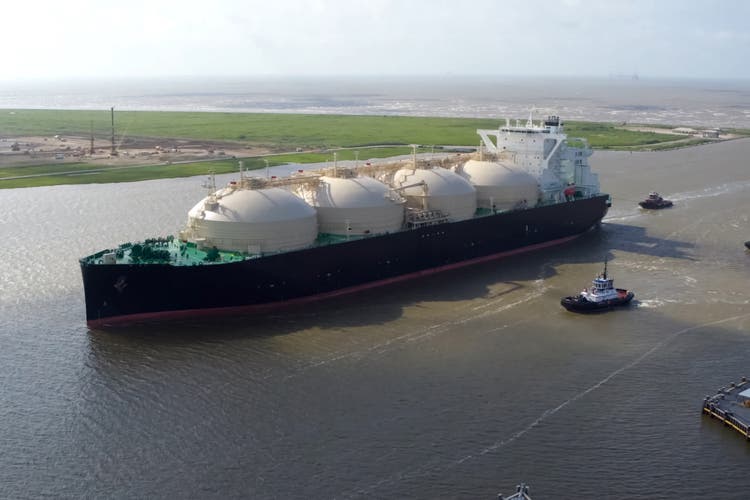
At least a half-dozen U.S.-loaded ethane vessels originally bound for China are anchored or hovering in waters around the U.S. Gulf Coast after the Trump administration requested U.S. exporters seek licenses to ship the gas to China, Reuters reported Friday, citing trade sources and ship tracking data.
The U.S. has no ethane import terminal, meaning U.S. ethane once loaded onto a ship cannot be discharged in the country, according to the report.
Enterprise Products Partners (NYSE:EPD) and Energy Transfer (NYSE:ET), the two largest ethane producers and exporters, have warned the disruptions could hurt their profits, and some analysts say the efforts to curb U.S. petrochemical exports to China could end up hurting the U.S. energy sector just as much or more than the Chinese economy.
The two companies were denied emergency authorization to load China-bound ethane shipments pending their license applications (I, II), causing prices for U.S. Gulf Coast ethane to tumble to seven-month lows before rebounding somewhat after President Trump and China’s Presdident Xi agreed to further trade talks following their phone call on June 5.
The U.S. is the only major exporter of ethane, as exports surged by 13x in the decade to 2024 to 492K bbl/day, with 46% shipped to China; on the flip side, the U.S. accounted for practically all of China’s ethane imports of 261K bbl/day last year, and China is the only country able to absorb growing U.S. ethane exports at a large scale.
Other markets for U.S. ethane exports such as India and Thailand likely will open up over time, but while the U.S. has been expanding its ethane export terminal capacity, importing countries, particularly in Asia, will require years to build import terminals and ethane carriers.
A halt on ethane exports to China could create a severe domino effect in the U.S., analysts say, where domestic inventories build up, forcing producers to lower ethane processing at shale basins, which in turn could impact the profitability of oil and gas drilling operations, and could lead to excessive quantity of ethane in natural gas, increasing costs for producers of liquefied natural gas.
“Without China, there are no immediate alternative markets for vast U.S. ethane exports, directly impacting prices and profit for major U.S. producers due to specialized trade contracts,” Uday Turaga, founder of energy research and consulting firm ADI Analytics, told Reuters.