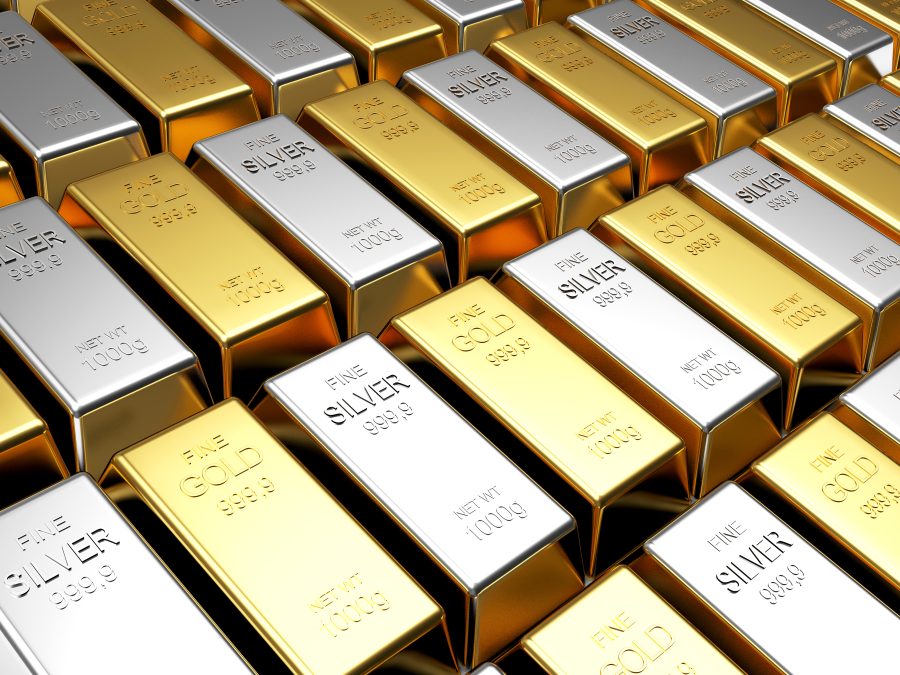
Gold (GLD) has surged roughly 70% over the past year, hitting successive record highs above $4,500 per ounce in late December, driven by Fed rate cuts, a weaker dollar, central bank buying, and geopolitical tensions. Silver’s (SLV) move has been even more dramatic, climbing around 170% year-over-year, supported by safe-haven flows and robust industrial demand. Notably, both precious metals have jumped to new highs in the last few weeks and jumped to the forefront in the mindset of investors.
The impact of the higher price for gold and silver futures for jewelry sellers such as Signet Jewelers (SIG), LVMH (LVMHF), Kering SA (PPRUF) (PPRUY), Hermès International (HESAY), Swatch Group AG (SWGAY), Prada S.p.A. (PRDSY) (PRDSF), Burberry (BURBY) (BBRYF), and Pandora (PNDZF) (PNDRY) can be complicated. In general, high gold and silver prices squeeze margins for mass-market and mid-tier jewelry retailers and manufacturers while benefiting recyclers, scrap buyers, and pawn-focused models that buy metal from consumers. Meanwhile, high-end luxury houses are less sensitive to commodity prices but can still see some margin pressure.
Analysts have also pointed to a short-term benefit for retailers as they work through inventory at higher prices, but a potential long-term drag as they restock.
Other stocks impacted to varying degrees by gold and silver prices include Brilliant Earth Group (BRLT), Birks Group (BGI), Movado (MOV), Richemont (CFRHF), Nordstrom (JWN), Kohl’s (KSS), and Etsy (ETSY). The impact for big box retailers like Walmart (WMT), Target (TGT), and Costco (COST) is more subtle, typically involving a mix shift that could pull on margins in the subcategory. However, Costco (COST) has a notable booming high-volume bullion business that separates it from the retail pack when gold and silver prices rise.
Signet Jewelers (SIG) CEO James Symancyk discussed the impact of elevated precious metals costs on the company’s last earnings conference.
“Gold as a straight commodity is — and when you think about that, think about more go-forward pieces or things like gold chain, for example, that are all about gold. I think historically, we’ve seen that customers understand that’s a commodity market. They understand the value associated with it.”
“And as we pass along the fluctuations of price on the — that are purely commodity driven, we generally see customers recognize that value. And we are obviously tethered to a market and look to leverage our scale and strength of supply chain to make sure that we’re offering the right value proposition relative to the rest of the market… And historically, we’ve — every time we see what we think may be a ceiling, we recognize the consumer understands that commodity price and tends to be resilient because of the residual value of what they’re buying. And so we may see a little bit of a drop off in units in gold as a result of some of those price increases. But from that plays out across the market, and we know how to navigate that pretty well.”