Elijah-Lovkoff/iStock via Getty Images
Persistent supply chain bottlenecks in aircraft interiors, especially premium seating, are contributing to major delivery delays for Airbus (OTCPK:EADSF) (OTCPK:EADSY), Boeing (NYSE:BA) and airlines worldwide, fueling frustration and higher ticket prices for passengers, Reuters reported Wednesday.
Industry insiders say the fragmented seat manufacturing sector, hampered by labor shortages, complex designs and certification hurdles, has become a weak link in the global aerospace supply chain. Airlines’ growing demand for bespoke cabins has only deepened the strain.
Seats may seem like a small component, but producing them is a logistical maze involving up to 3,000 parts sourced from 50 suppliers across 15 countries. With air travel rebounding sharply, the industry faces a projected need for more than 8 million seats over the next decade, worth an estimated $52 billion, according to Tronos Aviation Consultancy data cited by Reuters.
Planemakers are feeling the pressure. Airbus (OTCPK:EADSF) (OTCPK:EADSY) recently warned that delivery delays tied to seating and engine shortages could stretch into 2027. Boeing (NYSE:BA) has faced similar hold-ups, with some 787 jets grounded due to missing cabin interiors.
The seat industry still operates like a cottage industry, John Walton, an aircraft interiors expert, told Reuters.
Despite waves of consolidation, seat production remains slow and difficult to scale. France’s Safran (OTCPK:SAFRF) (OTCPK:SAFRY) and RTX-owned (RTX) Collins Aerospace dominate premium seating, while Recaro leads in economy seats. Other players like China-owned Thompson Aero and Airbus-backed Stelia are also in the mix.
Seat manufacturers are now rethinking their production strategies to ease delays.
Safran, for instance, has started adopting automotive-style “platform” designs that allow for product customization without having to reinvent core engineering with every order. The company increased seat production 2.5 times in 2024 as it rebuilt post-pandemic.
Demand for customized interiors
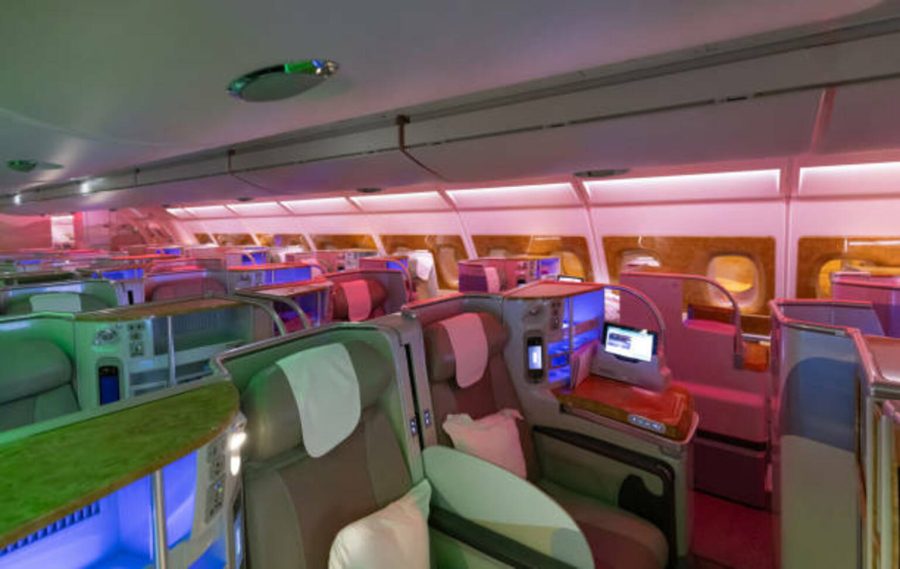
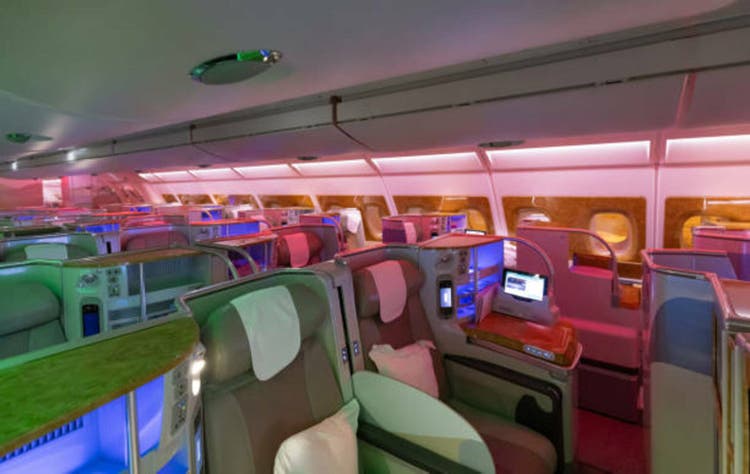
But airlines’ appetite for cabin customization, especially in premium classes, remains a key challenge. Unique layouts, luxury finishes and high-end features like headrests with built-in audio may appeal to passengers, but they complicate manufacturing, slow certification and strain the supply chain.
Some suppliers are pushing back, increasingly declining orders they see as too complex or financially risky, according to sources involved in negotiations. Planemakers are also exploring penalties for suppliers whose delays disrupt aircraft deliveries.
Still, airlines see premium seats as essential to brand identity and revenue.
There are only a few ways to differentiate onboard: the crew, the catering and the seat, Lufthansa CEO Carsten Spohr told Reuters.
Despite calls from lessors and planemakers to adopt off-the-shelf, pre-certified seat designs, carriers like Saudi Arabia’s Riyadh Air are sticking with custom interiors.
Without reform, experts warn the aviation supply chain could remain bogged down, jeopardizing growth plans and keeping older planes in service longer.