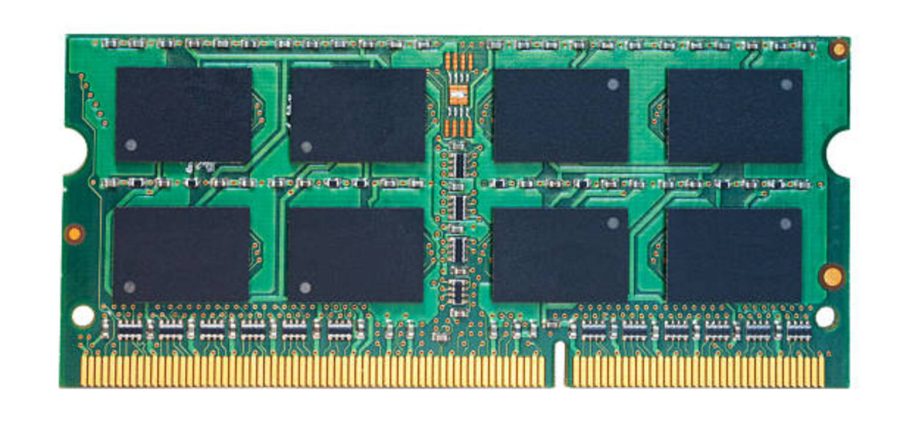
The global race to build artificial-intelligence infrastructure is straining supplies of memory chips and storage devices, but manufacturers are resisting the urge to expand too fast, The Wall Street Journal reported.
Demand for DRAM, NAND flash and hard drives has surged as AI systems consume far more memory and generate vast amounts of data. Supply has tightened enough to push prices sharply higher, lifting revenue and profits across the memory sector. Micron (MU) recently posted record quarterly results, while Samsung Electronics (SSNLF) expects operating profit to triple year over year.
Ordinarily, shortages and rising prices would trigger a wave of new capacity. This time, producers are moving cautiously, scarred by past boom-and-bust cycles that have repeatedly erased profits. As recently as 2023, leading memory makers were operating at losses after a sharp downturn.
Wall Street enthusiasm has reinforced that restraint. Shares of memory and storage companies surged last year, with outsized gains across firms such as Seagate Technology (STX), Western Digital (WD), Sandisk (SNDK) and SK Hynix . Investors are betting that tight supply and disciplined spending will extend the upcycle.
There are reasons to think this demand surge could last longer than past ones. Advanced AI systems from Nvidia (NVDA) and Advanced Micro Devices (AMD) rely on increasingly specialized, high-bandwidth memory, while the data they generate must be stored on flash and hard-disk systems. Analysts expect global data-storage shipments to grow at a much faster pace than in the previous decade.
That demand ultimately traces back to the biggest technology companies. Capital spending by Amazon (AMZN), Google (GOOG) (GOOGL), Microsoft (MSFT) and Meta Platforms (META) has reached historic highs and is projected to climb further this year.
Still, memory executives remain wary. New fabs take years to build, and much of the industry lacks long-term supply commitments that would justify aggressive investment. Most producers are keeping capital spending increases modest, preferring to preserve pricing discipline rather than risk another glut.
For now, AI’s appetite for memory is rewriting the industry’s outlook, but manufacturers are determined not to repeat the mistakes that once turned boom into bust, the Journal reported.