SweetBunFactory/iStock via Getty Images
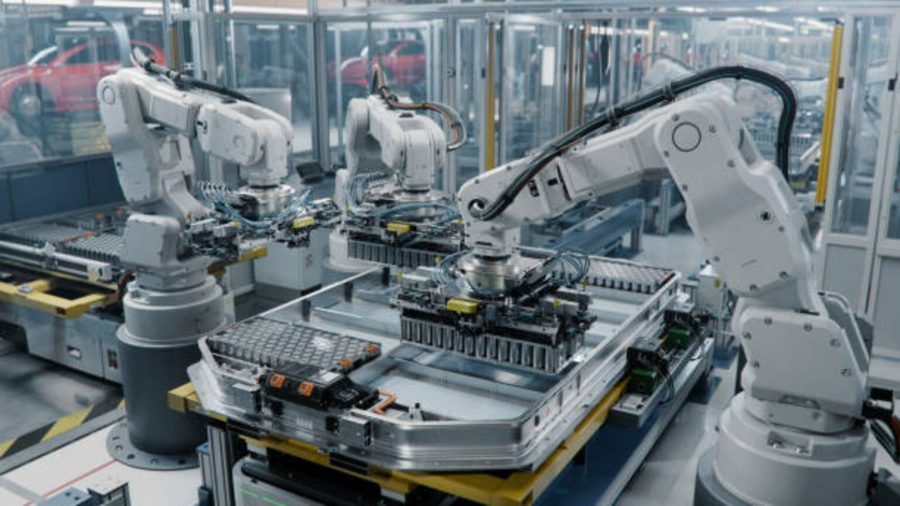
To support its push into affordable electric vehicles, General Motors (NYSE:GM) is upgrading its Spring Hill, Tennessee plant to produce safer and more durable lithium-iron-phosphate (LFP) battery cells.
The Ultium Cells plant – a joint venture between GM and South Korea’s LG Energy Solution—began making lithium-ion cells in 2024 but expects to begin commercial production of LFP by late 2027, according to TechCrunch. Currently, the majority of LFP cells are being made in China.
The shift towards LFP batteries is attributed to the increased availability and lower cost of the raw materials used in production, as well as a decreased risk of thermal runaway and fire. LFP batteries can also be charged and discharged more times before requiring replacement. GM (NYSE:GM) plans to use the LFP batteries in its entry level vehicles like the Chevy Equinox and Chevy Bolt. However, GM vehicles which require a longer range, like the Chevy Silverado, will continue to use nickel-manganese-cobalt batteries.
Other automakers are also using LFP batteries including Ford (F) in its Mustang Mach-E and F-150 Lightning, Amazon (AMZN) electric delivery trucks made by Rivian (RIVN), Tesla’s (TSLA) Model 3 and Model 7, and most BYD (OTCPK:BYDDY) models, including the BYD Seal.
More on General Motors
- General Motors’ Tariff Mitigation Seems Promising – Structural Risks Remain
- General Motors Company (GM) Presents at Deutsche Bank Global Auto Industry Conference Transcript
- China And Tariff Headwinds Could Cause General Motors To Break Down
- Copper tariffs are seen as another potential headwind for the automobile sector
- General Motors Silao, Mexico plant pauses production for a few weeks – report