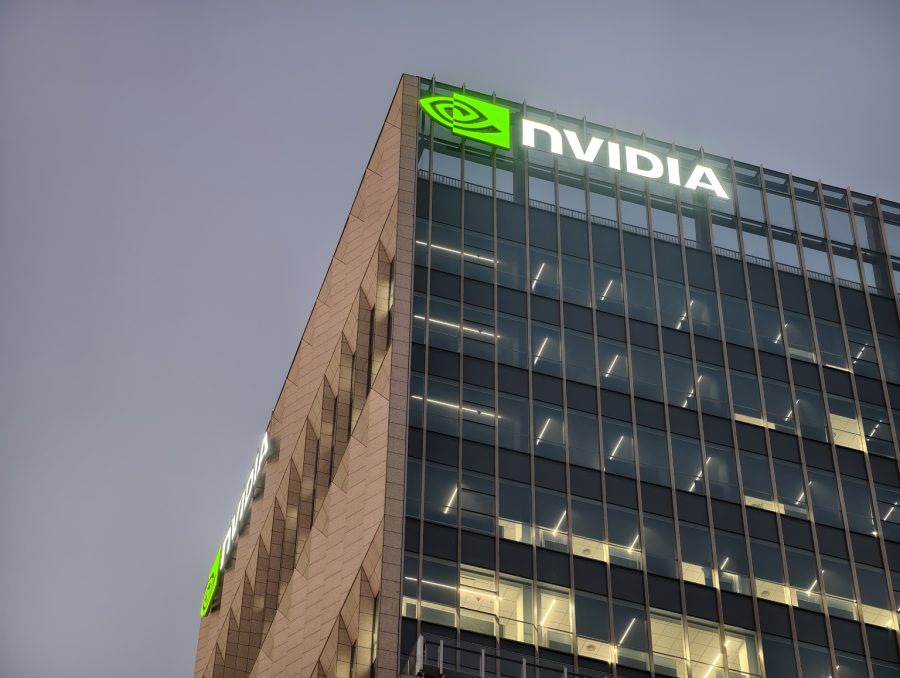
Nvidia (NVDA) was in focus on Monday as Morgan Stanley moved the GPU giant back to its top pick in the semiconductor space over Micron (MU).
“Memory vs. NVIDIA is an interesting debate,” analyst Joseph Moore wrote in a note to clients. “There is a commonly voiced view that memory stocks are pricing in a much longer and more durable cycle than processor stocks; we actually somewhat disagree with that. Our memory conversations with clients are very similar to NVIDIA conversations – a clear recognition that conditions are exceptional in both right now, But a very strong peak year at current valuations has been viewed as more investable for memory, because upward revisions are more dynamic. There is not much conviction about 2027 for either stock.”
Moore has an Overweight rating and $260 price target on Nvidia.
Delving deeper, Moore said any concerns about Nvidia losing market share are likely to be addressed at the upcoming GTC.
“We’re not sure exactly what to expect from GTC, but it should look very similar to 2024, when we got a full look into NVIDIA’s 4 year roadmap and it became clear that this race is not just about the silicon, but also rack and ecosystem development,” Moore explained. “We expect the Groq IP to play a role in this roadmap as well.”
Nvidia’s GTC is set to be held from March 16 to March 19, with Jensen Huang providing a keynote address on March 16.
Moore also explained that the ongoing supply constraints on AI processors could ease in the next few months, which could favorably impact Nvidia.
“To be clear, that is not currently in evidence, but it is more than possible given constraints on DRAM, eSSD, HDD, optical, microprocessors, and power that may all become bigger bottlenecks than the very steep ramp in processors – it might be a challenge for NVIDIA stock, since 90% of industry checks focus on easily accessible supply chain data points – CoWoS, lead times, etc – rather than demand,” Moore added. “But we have high conviction that it would lead to market share re- acceleration, similar to what we saw in CY24 when GPU lead times declined because of space and power constraints.”
And while there is some concern that Nvidia’s moat may have “eroded a little bit,” Moore is not concerned. The two biggest users of application specific integrated circuits and the two biggest potential AMD (AMD) customers are each likely to grow their Nvidia business by 80% or more in 2026, Moore added, citing recent checks.